

Understanding vision problems
Most vision problems come down to one simple thing: the eye doesn’t focus light exactly onto the retina (the “screen” at the back of the eye). When focus lands in the wrong place, vision becomes blurry.
- Myopia: distance vision is blurry because the image focuses too early (in front of the retina).
- Hyperopia: near vision can be difficult (and sometimes distance too) because the image focuses too far back (behind the retina).
- Astigmatism: the cornea isn’t evenly rounded, so vision can be blurred or distorted at all distances.
- Presbyopia: with age, the eye loses the ability to focus up close. This is normal and happens to everyone.
It’s common to have more than one condition at once (for example myopia + astigmatism, then presbyopia later). The optician’s job is to measure the exact prescription and choose a comfortable solution based on real-life use (reading, phone, driving, computer, outdoors).
How prescription lenses work
Prescription lenses work by adjusting how light enters the eye so images focus correctly on the retina.
Lens power is measured in diopters. The higher the number, the stronger the correction. For example, myopia is corrected with “minus” lenses, while hyperopia uses “plus” lenses.
A glasses prescription may include:
- lens power
- astigmatism correction (cylinder)
- pupillary distance
- sometimes multiple vision distances
Even if these numbers seem technical, the goal is simple: clear and comfortable vision in everyday life.
Prescription lenses are always custom-made, because every eye is different.
Single-vision lenses and progressive lenses
There are two main types of prescription lenses: single-vision lenses and progressive lenses.
Single-vision lenses correct one viewing distance. They may be used for distance vision, computer use, or reading, depending on the prescription. The entire lens surface has the same power.
Progressive lenses correct multiple distances with one pair of glasses. The top part of the lens is for distance vision, the middle area for intermediate vision, and the bottom part for reading. The transition between these zones is gradual and invisible.
Progressive lenses are typically used when presbyopia develops, as they allow people to avoid switching between multiple pairs of glasses.
Choosing between these lens types mainly depends on vision needs and daily habits. People who need clear vision at multiple distances often benefit from progressive lenses.
Lens treatments
Lens treatments don’t change vision correction, but they improve comfort, protection, and durability. They are applied to the surface of the lenses depending on the wearer’s needs.
Anti-reflective coating is one of the most common treatments. It reduces reflections on lenses, improves visual clarity, and makes glasses more comfortable, especially for night driving, screen use, and artificial lighting.
Blue light lenses are designed to filter part of the light emitted by digital screens. They may help reduce eye strain during long periods of computer or phone use.
Photochromic lenses automatically darken in sunlight and become clear indoors. They provide a practical solution for changing light environments.
Polarized lenses are mainly used in sunglasses. They reduce glare from surfaces like water, sand, or roads, improving outdoor visual comfort.
Each treatment serves a specific purpose, and the right choice depends on lifestyle and lighting conditions.
Eye exams and vision care
An eye exam helps measure vision quality and update prescriptions when needed. Even when vision feels stable, it can gradually change over time.
A vision exam usually includes an automatic measurement, a check of the existing prescription, and refinement using trial lenses to find the most comfortable vision.
Regular eye exams are important because they help maintain vision adapted to everyday activities such as reading, computer work, driving, or daily tasks.
As we age, near vision naturally changes, making vision checks even more important for visual comfort.
Regular vision care is part of good eye health habits, just like choosing the right lenses and comfortable glasses.
Conclusion
Understanding the basics of optics makes it easier to choose glasses that truly match your vision and lifestyle. Vision conditions, lens types, treatments, and eye exams are all connected, and each plays a role in everyday visual comfort.
A well-adapted prescription doesn’t depend only on lens power, but also on how glasses are used in daily life, screen work, reading, driving, outdoor activities, or sun exposure. All these factors help determine the most comfortable and effective solution.
This guide aims to make these topics easier to understand. Each section introduces the essentials, while the related articles provide deeper explanations when needed.
Taking time to understand your vision and lenses often helps prevent discomfort, eye strain, and poorly adapted prescriptions.
Visit Us!
Find Your Pair
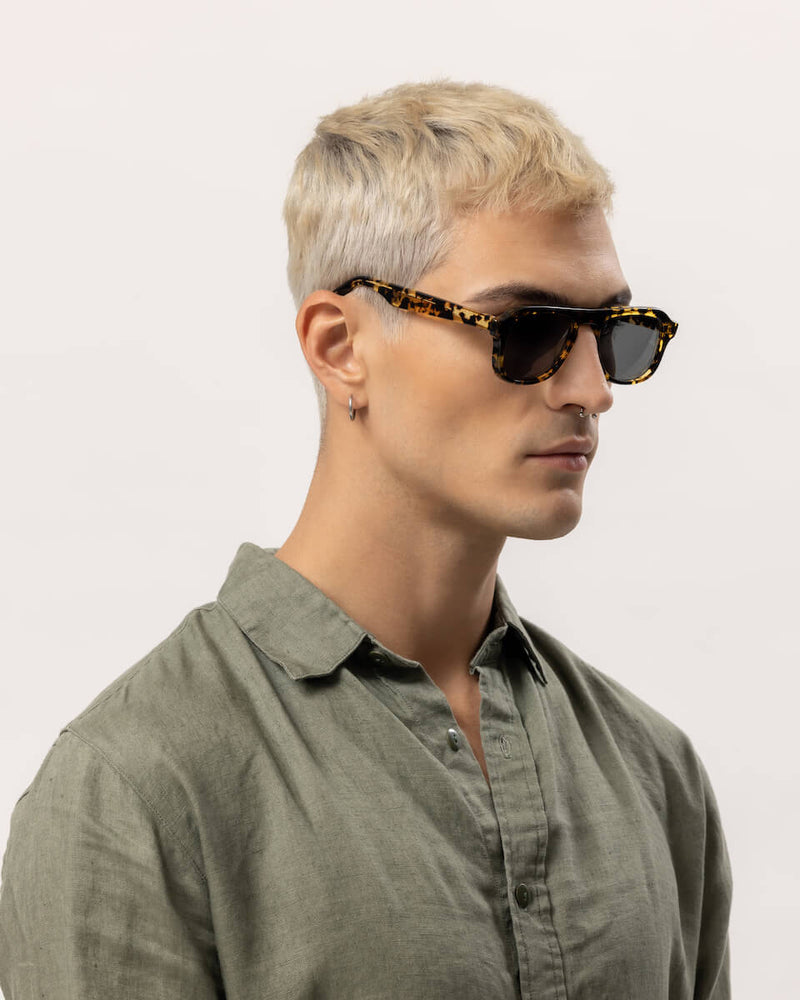

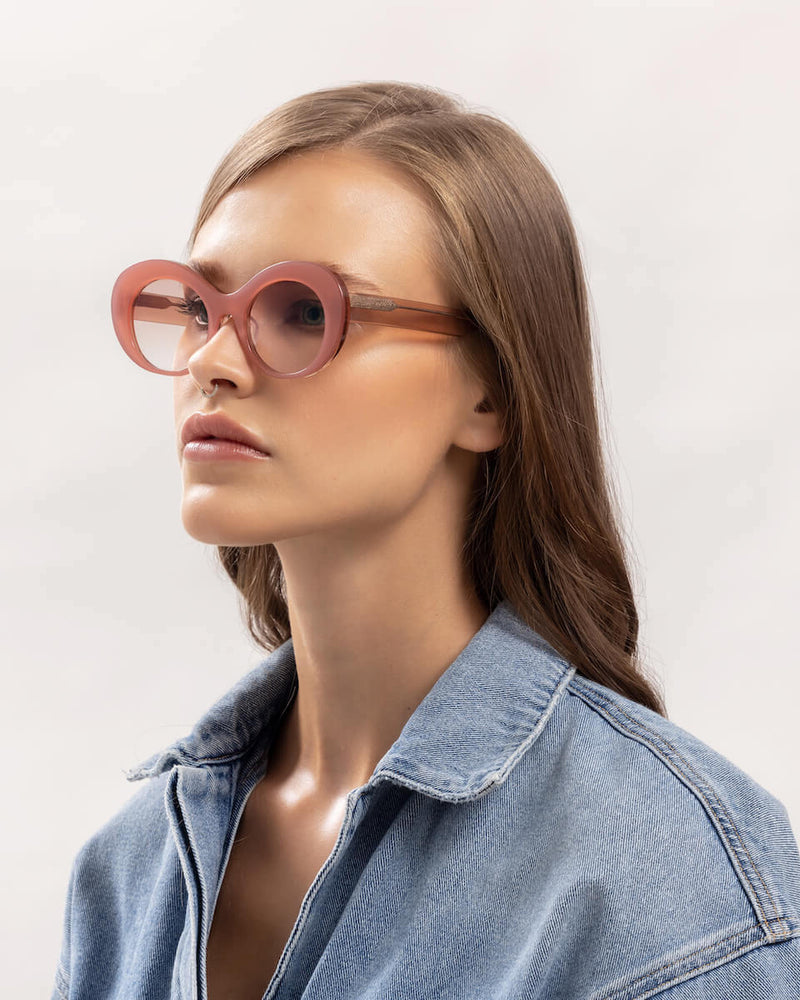
-
Virtual Try-On


Komodo Rise Olive
Regular price Rp 1.700.000,00Regular priceUnit price per -
Virtual Try-On


Sumba Hills Black Sun
Regular price Rp 1.700.000,00Regular priceUnit price per -
Virtual Try-On

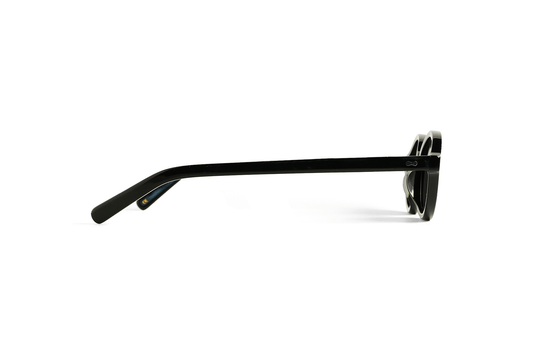
Cove Onyx Night
Regular price Rp 1.700.000,00Regular priceUnit price per -
Virtual Try-On

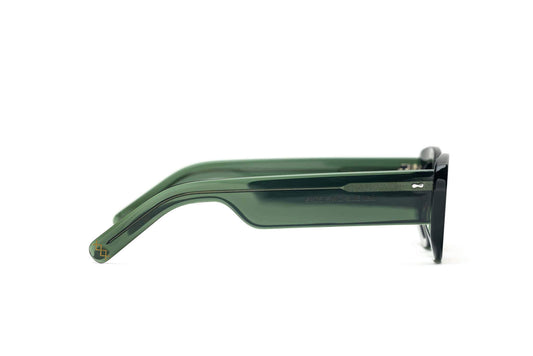
Bali Blue Olive
Regular price Rp 1.700.000,00Regular priceUnit price per


