

What is a single vision lens?
A single vision lens is designed to correct vision at one specific distance. The entire lens surface has the same optical power.
These lenses are commonly used to correct myopia, hyperopia, or astigmatism. They may be prescribed for distance vision (driving, watching TV), intermediate vision (computer use), or near vision (reading), depending on the prescription.
Single vision lenses are often the simplest and most comfortable solution when vision correction is needed at only one distance.

What is a progressive lens?
A progressive lens is a prescription lens that allows vision correction at multiple distances with one pair of glasses. It is mainly used to correct presbyopia, when near vision becomes more difficult with age.
The lens contains different correction zones: the upper part for distance vision, the middle area for intermediate vision, and the lower part for near vision. The power changes gradually between these zones without any visible line.
This design allows natural transitions between viewing distances, making progressive lenses well suited for everyday activities.
What is the difference between single vision and progressive lenses?
The main difference between single vision lenses and progressive lenses is the number of viewing distances they correct.
Single vision lenses correct one distance only. They are typically used when vision correction is simple and stable, such as for distance vision or reading.
Progressive lenses, on the other hand, correct multiple distances within a single lens. They are especially suitable for people with presbyopia who need clear vision for far, intermediate, and near tasks without switching glasses.
Progressive lenses offer more versatility, while single vision lenses are usually simpler and require less adaptation.
How to choose between single vision and progressive lenses?
Choosing between single vision and progressive lenses mainly depends on vision needs and daily activities.
Single vision lenses are usually sufficient when vision correction is needed at only one distance. They are often suitable for younger people or for those who need glasses only for reading or distance vision.
Progressive lenses become useful when both near and distance vision need correction, which is common with presbyopia. They allow one pair of glasses to be used for most daily tasks.
An eye exam and proper fitting help determine the most comfortable solution.
Conclusion
Single vision lenses and progressive lenses serve different visual needs. Single vision lenses correct one distance and remain a simple and comfortable solution when correction is limited.
Progressive lenses allow clear vision at all distances with one pair of glasses, making them especially suitable for presbyopia and everyday use.
The choice between these two lens types mainly depends on vision, age, and lifestyle. A proper eye exam and accurate fitting help determine the best option.
Visit Us!
Find Your Pair



-
Virtual Try-On


Komodo Rise Olive
Regular price Rp 1.700.000,00Regular priceUnit price per -
Virtual Try-On


Sumba Hills Black Sun
Regular price Rp 1.700.000,00Regular priceUnit price per -
Virtual Try-On

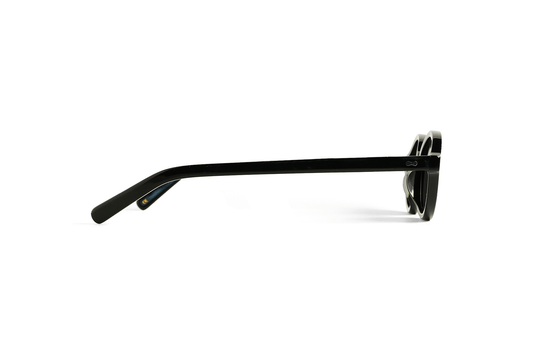
Cove Onyx Night
Regular price Rp 1.700.000,00Regular priceUnit price per -
Virtual Try-On

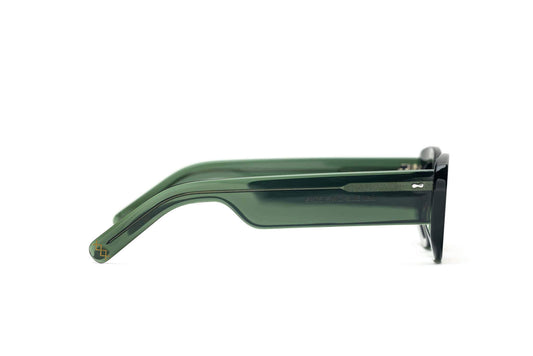
Bali Blue Olive
Regular price Rp 1.700.000,00Regular priceUnit price per


