



Our lenses and your vision

Seeing well starts with the right lenses.

Our lenses and your vision

Our lenses and your vision

Seeing well starts with the right lenses.

Zeiss

Zeiss

Hoya

Hoya

Essilor

Essilor

Acuvue

Acuvue

J&J

J&J

The frame is what you see. The lenses determine how you see through it. Whether you are reading, working at a screen or spending the day in Bali, our opticians help you choose prescription lenses suited to your vision and how you use your glasses.

The frame is what you see. The lenses determine how you see through it. Whether you are reading, working at a screen or spending the day in Bali, our opticians help you choose prescription lenses suited to your vision and how you use your glasses.

01

Choosing the right lenses

Reading a menu, working on a laptop and looking across a room ask different things of your lenses. At Maison Mata, we help you find the simplest, most comfortable solution for your vision.

Single-vision lenses

Usual preparation time: 30 minutes to 3 days.

Single-vision lenses provide the same correction across their surface. Depending on your needs, this can be for distance vision, reading or screen use. They can correct short-sightedness, long-sightedness and astigmatism.

Progressive lenses

Usual preparation time: 7 to 10 days.

Progressive lenses bring together distance, intermediate and near vision in one pair, with a gradual change in correction and no visible dividing line. They are often chosen for presbyopia, when focusing up close becomes harder with age. We take the measurements needed to position the viewing zones correctly in your frame.

Office lenses

Usual preparation time: 7 to 10 days.

Office lenses give more space to near and intermediate vision: a book, laptop or desktop screen. They can offer a wider field of view at these distances than everyday progressive lenses. We choose the viewing range to suit your desk and room; these lenses are not intended for driving.

Single-vision lenses
30 min – 3 days
Progressive lenses
7–10 days
Office lenses
7–10 days
30 min3 days7 days10 days

These preparation times are estimates. They depend on your prescription, the lenses you choose and the laboratory; we confirm the timing before you order. If you need glasses quickly, contact our Canggu team, where the lenses are cut and fitted.

Single-vision or progressive lenses?
01

Choosing the right lenses

Reading a menu, working on a laptop and looking across a room ask different things of your lenses. At Maison Mata, we help you find the simplest, most comfortable solution for your vision.

Single-vision lenses

Usual preparation time: 30 minutes to 3 days.

Single-vision lenses provide the same correction across their surface. Depending on your needs, this can be for distance vision, reading or screen use. They can correct short-sightedness, long-sightedness and astigmatism.

Progressive lenses

Usual preparation time: 7 to 10 days.

Progressive lenses bring together distance, intermediate and near vision in one pair, with a gradual change in correction and no visible dividing line. They are often chosen for presbyopia, when focusing up close becomes harder with age. We take the measurements needed to position the viewing zones correctly in your frame.

Office lenses

Usual preparation time: 7 to 10 days.

Office lenses give more space to near and intermediate vision: a book, laptop or desktop screen. They can offer a wider field of view at these distances than everyday progressive lenses. We choose the viewing range to suit your desk and room; these lenses are not intended for driving.

Single-vision lenses30 min – 3 days
Progressive lenses7–10 days
Office lenses7–10 days
30 min10 days

These preparation times are estimates. They depend on your prescription, the lenses you choose and the laboratory; we confirm the timing before you order. If you need glasses quickly, contact our Canggu team, where the lenses are cut and fitted.

Single-vision or progressive lenses? ↗
Understanding vision correction
02

Understanding vision correction

Prescription lenses correct different types of vision problems:

  • Short-sightedness: difficulty seeing at a distance.
  • Long-sightedness: near vision can be difficult, and distance vision can also be affected.
  • Astigmatism: blurred or distorted vision.
  • Presbyopia: age-related difficulty seeing up close.

To learn more about these conditions, read our detailed guide.

Understanding short-sightedness, long-sightedness, astigmatism and presbyopia
Understanding vision correction
02

Understanding vision correction

Prescription lenses correct different types of vision problems:

  • Short-sightedness: difficulty seeing at a distance.
  • Long-sightedness: near vision can be difficult, and distance vision can also be affected.
  • Astigmatism: blurred or distorted vision.
  • Presbyopia: age-related difficulty seeing up close.

To learn more about these conditions, read our detailed guide.

Understanding short-sightedness, long-sightedness, astigmatism and presbyopia ↗
Blue-light filter lenses and anti-reflective coatings
Photochromic lenses
Polarised lenses
Lens thickness
03
04
05
06
/ 06
03

Blue-light filter lenses and anti-reflective coatings

A blue-light filter and an anti-reflective coating serve different purposes. The filter reduces some of the blue light passing through the lens; the coating reduces reflections on its surface.

Lenses with a blue-light filter are available. The filter does not change your prescription. There is no clear evidence that it reduces screen-related eye strain in the short term compared with lenses without a filter. When choosing lenses for reading and screen use, we look at your prescription, working distances and lens type with you.

An anti-reflective coating reduces reflections on the lens surface, lets more light through and makes your eyes more visible behind your glasses. Our prescription lenses sold in store include this coating, UV protection and a coating that helps resist fine scratches. They can still scratch: gentle cleaning remains important.

04

Photochromic lenses

Photochromic lenses darken in daylight and lighten indoors. One pair adapts to changes in light.

This is useful in Bali when you step out of a café or office into bright sunshine. Most photochromic lenses respond mainly to UV light; how dark they become and how quickly they change also depend on the lens and the temperature.

Photochromic technology can be combined with your prescription and other coatings, depending on the lens you choose. If you drive often, tell us: many standard versions darken less behind a windscreen. We explain the options for this use.

05

Polarised lenses

Polarised lenses reduce glare from reflections on water, roads and other bright surfaces. Reducing these reflections can improve contrast and make bright conditions more comfortable, by the sea or while driving during the day.

Our polarised lenses are made from CR39, a plastic lens material. Our polarised sunglasses offer UV400 protection. Our non-prescription polarised lenses have no anti-reflective coating. Prescription polarised lenses include an anti-reflective coating. UV protection and polarisation serve different purposes: UV400 filters ultraviolet rays, while polarisation reduces glare from reflections.

Our Signature models can be fitted with polarised sunglass lenses. We also offer polarisation for our Handmade frames, with or without a prescription. Our opticians check which options suit your prescription and frame.

06

Lens thickness

Your prescription, lens material, and the size and shape of your frame all affect lens thickness.

Stronger prescriptions often mean thicker lenses. A higher-index material bends light more, which can allow a thinner lens for the same prescription. The frame matters too: its dimensions affect the final thickness and how much of the lens edge remains visible.

We compare suitable materials with your frame and discuss thickness, weight and price. The aim is a combination that suits your prescription and feels comfortable to wear.

Blue-light filter lenses and anti-reflective coatings
03

Blue-light filter lenses and anti-reflective coatings

A blue-light filter and an anti-reflective coating serve different purposes. The filter reduces some of the blue light passing through the lens; the coating reduces reflections on its surface.

Lenses with a blue-light filter are available. The filter does not change your prescription. There is no clear evidence that it reduces screen-related eye strain in the short term compared with lenses without a filter. When choosing lenses for reading and screen use, we look at your prescription, working distances and lens type with you.

An anti-reflective coating reduces reflections on the lens surface, lets more light through and makes your eyes more visible behind your glasses. Our prescription lenses sold in store include this coating, UV protection and a coating that helps resist fine scratches. They can still scratch: gentle cleaning remains important.

Choosing lenses for screen use ↗
Photochromic lenses
04

Photochromic lenses

Photochromic lenses darken in daylight and lighten indoors. One pair adapts to changes in light.

This is useful in Bali when you step out of a café or office into bright sunshine. Most photochromic lenses respond mainly to UV light; how dark they become and how quickly they change also depend on the lens and the temperature.

Photochromic technology can be combined with your prescription and other coatings, depending on the lens you choose. If you drive often, tell us: many standard versions darken less behind a windscreen. We explain the options for this use.

Understanding photochromic lenses ↗
Polarised lenses
05

Polarised lenses

Polarised lenses reduce glare from reflections on water, roads and other bright surfaces. Reducing these reflections can improve contrast and make bright conditions more comfortable, by the sea or while driving during the day.

Our polarised lenses are made from CR39, a plastic lens material. Our polarised sunglasses offer UV400 protection. Our non-prescription polarised lenses have no anti-reflective coating. Prescription polarised lenses include an anti-reflective coating. UV protection and polarisation serve different purposes: UV400 filters ultraviolet rays, while polarisation reduces glare from reflections.

Our Signature models can be fitted with polarised sunglass lenses. We also offer polarisation for our Handmade frames, with or without a prescription. Our opticians check which options suit your prescription and frame.

Understanding polarised lenses ↗
Lens thickness
06

Lens thickness

Your prescription, lens material, and the size and shape of your frame all affect lens thickness.

Stronger prescriptions often mean thicker lenses. A higher-index material bends light more, which can allow a thinner lens for the same prescription. The frame matters too: its dimensions affect the final thickness and how much of the lens edge remains visible.

We compare suitable materials with your frame and discuss thickness, weight and price. The aim is a combination that suits your prescription and feels comfortable to wear.

Our partner laboratories

Our partner laboratories

We work with ZEISS, HOYA and Essilor, as well as established Indonesian laboratories, to offer reliable, accessible options for everyday needs. This choice of partners lets us offer you different prescription lens types, materials and prices.

Our opticians explain what each option means for your vision and everyday use, whether you need straightforward single-vision lenses or a more specialised design.

Our partner laboratories

Our partner laboratories

We work with ZEISS, HOYA and Essilor, as well as established Indonesian laboratories, to offer reliable, accessible options for everyday needs. This choice of partners lets us offer you different prescription lens types, materials and prices.

Our opticians explain what each option means for your vision and everyday use, whether you need straightforward single-vision lenses or a more specialised design.

08

Signature Lenses

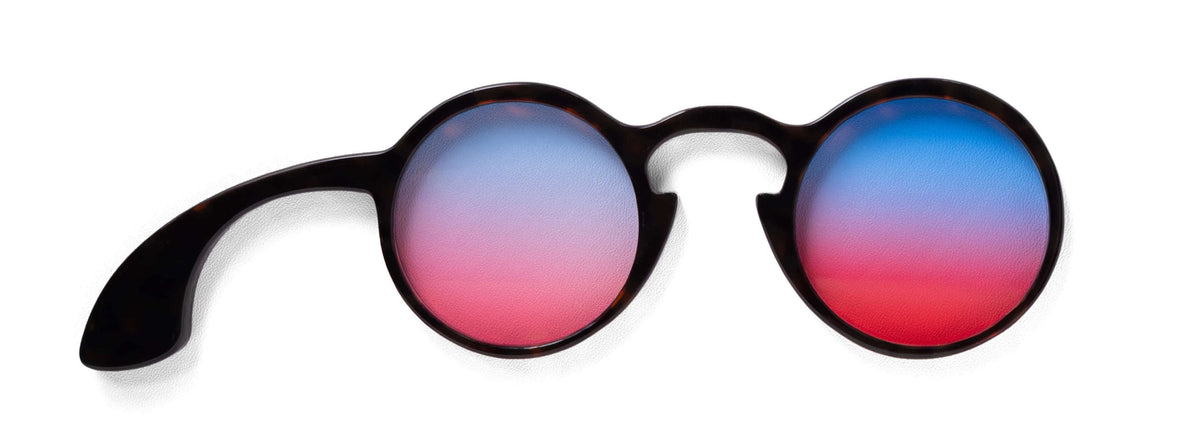
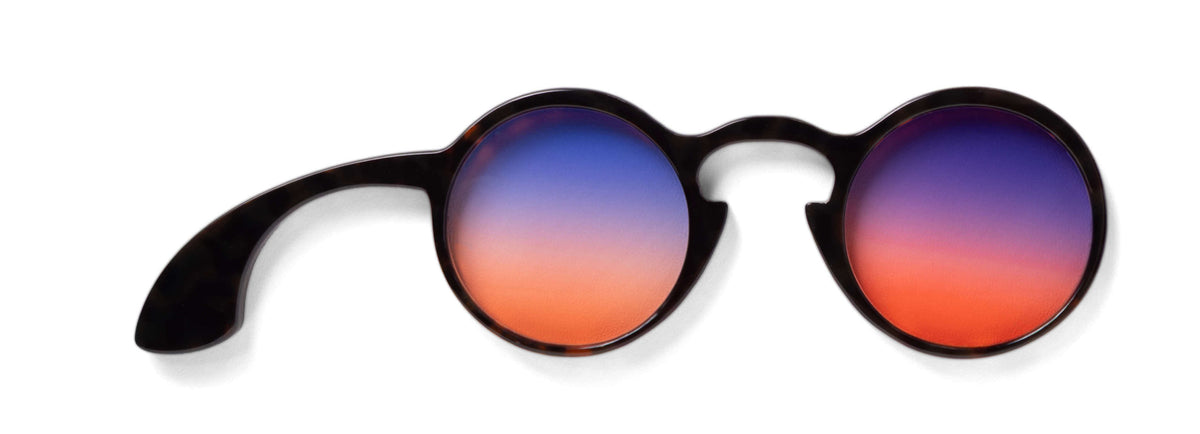
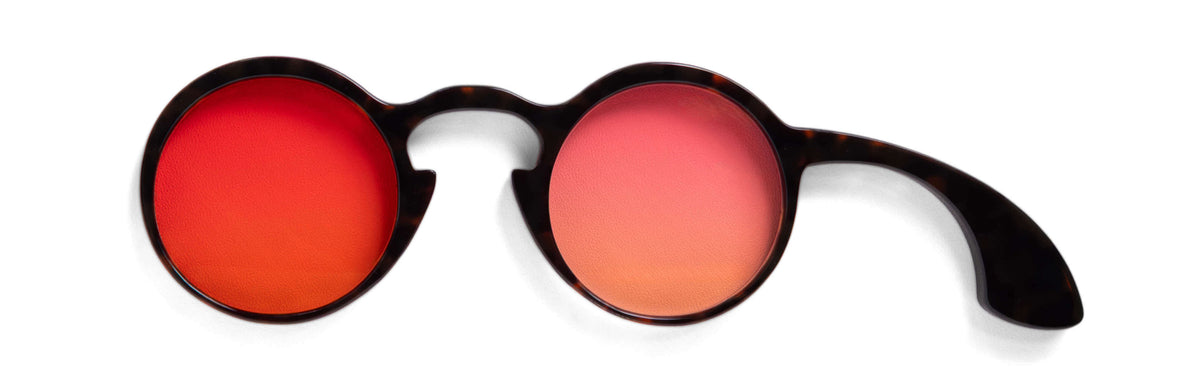
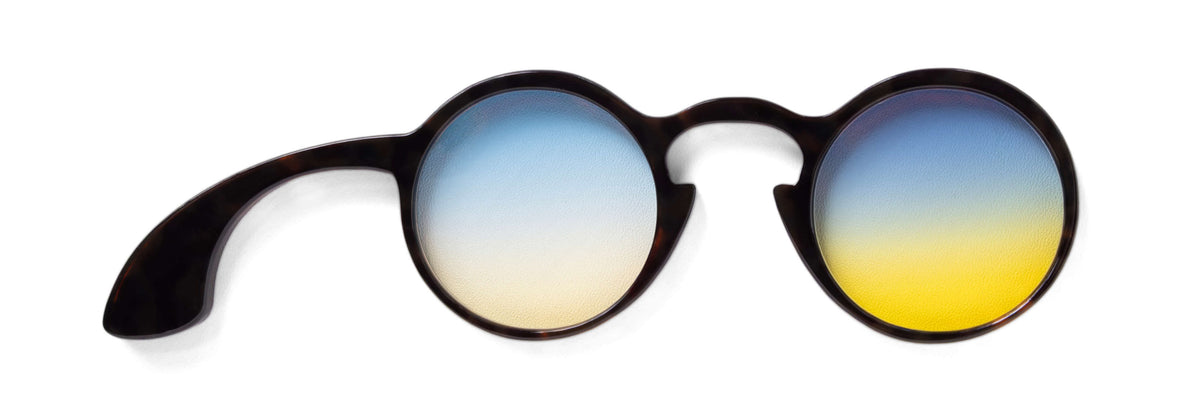
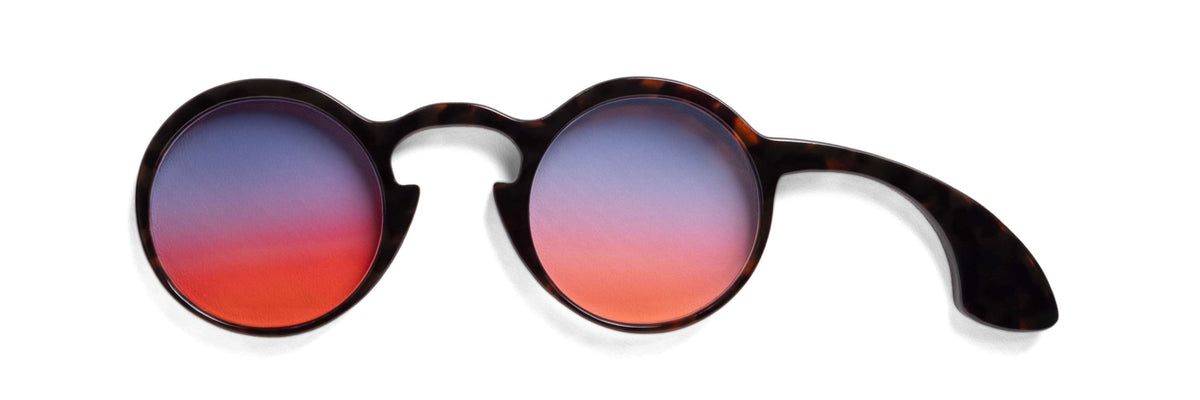
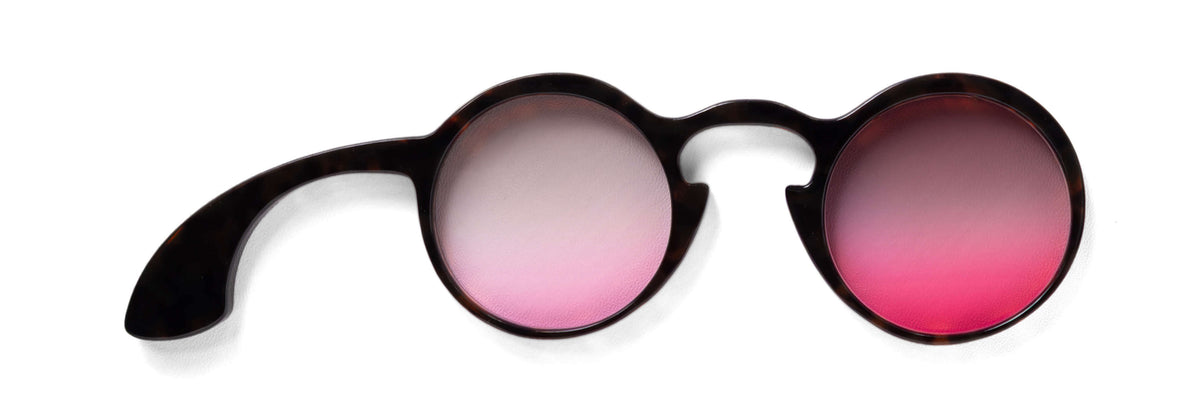
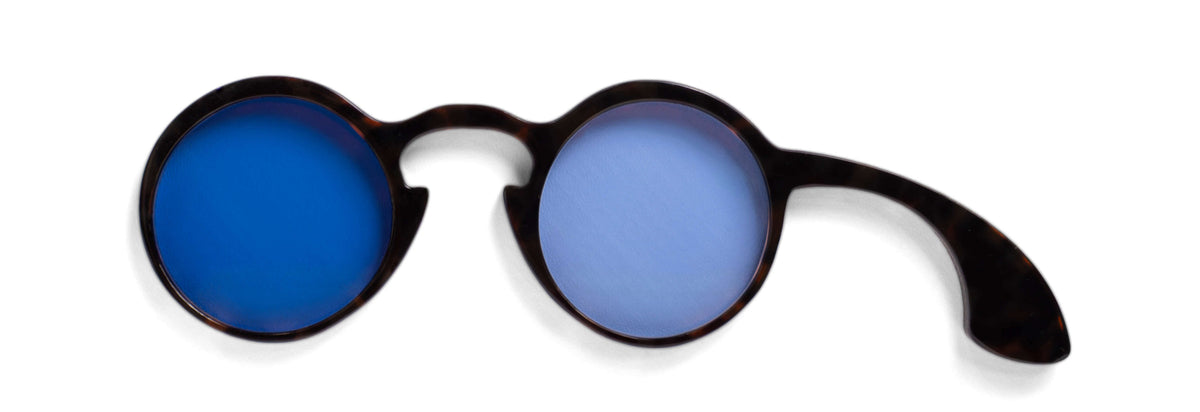
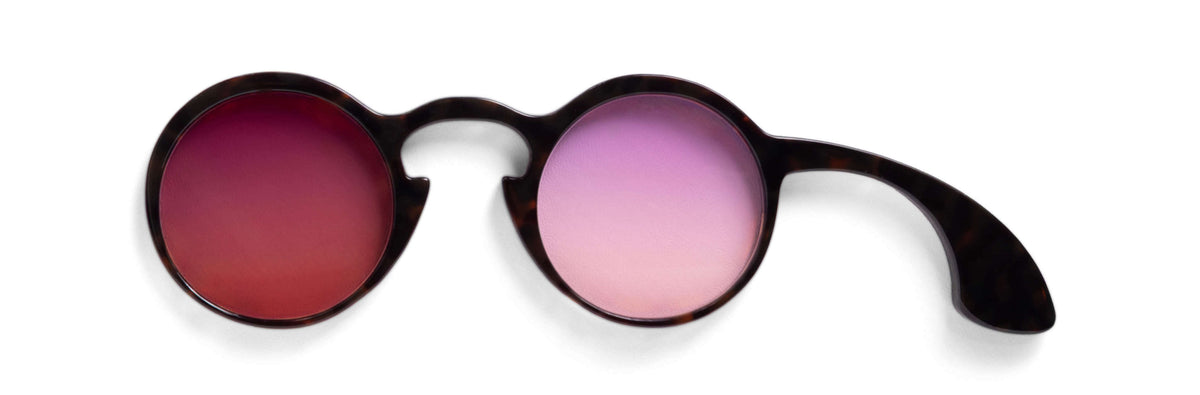
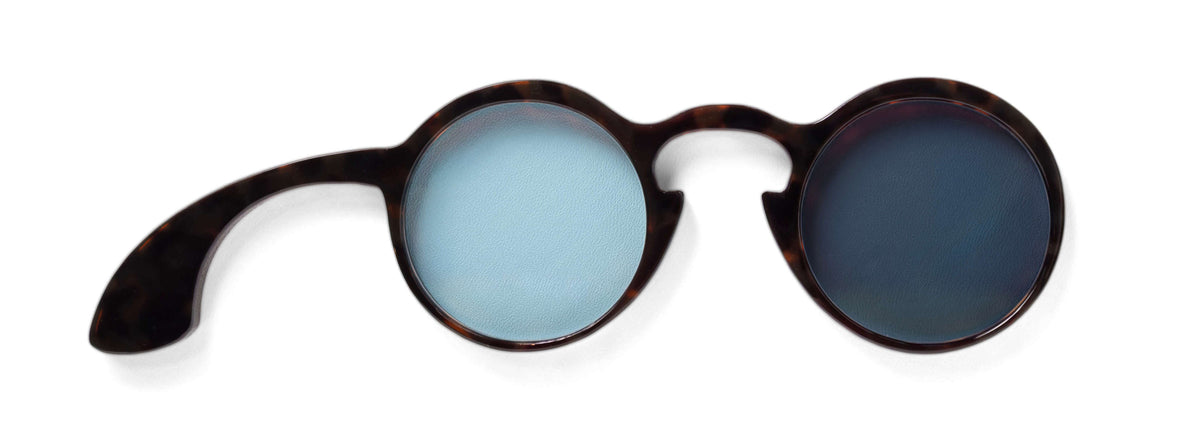
We develop our Signature lenses in-house and have them produced by HOYA. Eleven exclusive colours, in solid or gradient tints, let you choose both the look of your glasses and the tint you see through.

The demonstration frames show two intensities of each colour: the darker tint on the side opposite the handle, and the lighter tint on the handle side. Compare them in store: a darker tint for bright conditions, or a lighter tint if you prefer a brighter view. Choose the one that feels comfortable to you. A darker tint lets through less visible light; both intensities of our sunglass lenses offer UV400 protection.

Our Signature sunglass lenses are non-polarised, with an anti-reflective coating and a coating that helps resist fine scratches. They can still scratch. Prescription versions are available in store; our opticians explain which options suit your prescription.

Stellar
01

Stellar

Aurora
02

Aurora

Sunset
03

Sunset

Magma
04

Magma

Sunrise
05

Sunrise

Dawn
06

Dawn

Bloom
07

Bloom

Sky
08

Sky

Sun
09

Sun

Coral
10

Coral

Lagoon
11

Lagoon

Bring your prescription or have a free eye exam with our optometrists in Canggu, Ubud or Sanur. We help you choose your lenses, take the fitting measurements and make the final adjustments to your glasses with you. In Seminyak, you can order prescription glasses with an existing prescription.

MAISON MATA · BALI & LOMBOK

Visit us in store.

Find our boutiques in Canggu, Ubud, Seminyak and Sanur.

Our boutiques in Bali

Coming Soon.

Maison Mata Uluwatu storefront

Uluwatu

Opening planned for 15 November 2026.

Maison Mata Pererenan storefront

Pererenan

Opening planned for 15 November 2026.

Maison Mata Lombok storefront

Lombok

Opening planned for 15 November 2026.