

How polarization works
Sunlight normally travels in multiple directions. When it reflects off horizontal surfaces, such as water, roads, or sand, it becomes largely horizontally polarized, which creates strong glare.
Polarized lenses contain a vertical filter that blocks this reflected light. This filter allows useful light to pass through while reducing glare.
The result is clearer, higher-contrast, and more comfortable vision, especially in bright environments.
What are the benefits of polarized lenses?
Polarized lenses provide several advantages outdoors. First, they significantly reduce glare, improving visual comfort in bright environments.
They also improve contrast and detail perception, for example on water, roads, or in bright landscapes. This can make activities like driving, going to the beach, or water sports more comfortable.
Finally, vision often feels more relaxed, because the eyes don’t have to compensate for reflected light.

When are polarized lenses useful?
Polarized lenses are especially useful in situations where light reflects off horizontal surfaces. This commonly happens near the ocean, on the road, in the mountains, or around water.
They are highly valued for driving, as they reduce glare from the road and surrounding surfaces. They are also useful for outdoor activities like the beach, hiking, or water sports.
In these bright environments, polarized lenses provide more comfortable and stable vision, with less visual fatigue.
Conclusion
Polarized lenses improve outdoor vision by reducing glare caused by reflected light. They provide more comfortable vision, better contrast, and less visual fatigue.
They are especially useful for driving, activities near water, and bright environments. While all sunglasses protect against UV, polarization adds extra visual comfort.
When properly chosen for daily use, polarized lenses can significantly improve outdoor vision.
Visit Us!
Find Your Pair

-
Virtual Try-On


Komodo Rise Olive
Regular price Rp 1.700.000,00Regular priceUnit price per -
Virtual Try-On


Sumba Hills Black Sun
Regular price Rp 1.700.000,00Regular priceUnit price per -
Virtual Try-On

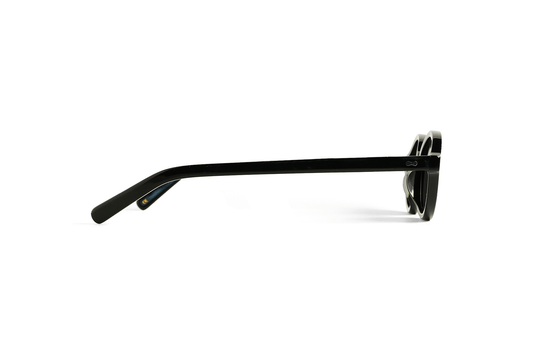
Cove Onyx Night
Regular price Rp 1.700.000,00Regular priceUnit price per -
Virtual Try-On

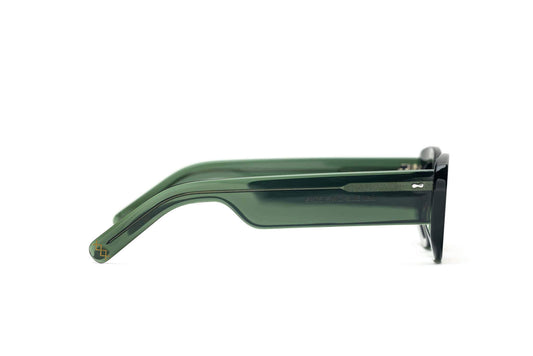
Bali Blue Olive
Regular price Rp 1.700.000,00Regular priceUnit price per


