

What is anti-reflective coating?
An anti-reflective coating is a thin layer applied to the surface of lenses to reduce light reflection. Without this coating, part of the light reflects off the lens surface, which can reduce visual clarity.
Anti-reflective coating allows more light to pass through the lens, improving vision clarity. It also makes lenses more transparent, allowing others to see the wearer’s eyes more clearly.
Today, most high-quality prescription lenses include anti-reflective coating because it improves both visual comfort and appearance.

Why reflections can affect vision
When light reflects off the surface of lenses, it can create glare and reduce contrast. This can make vision less clear, especially in low-light conditions or when facing strong light sources. This is particularly noticeable when driving at night, when headlights reflect on lenses, or when using screens, where reflections can increase eye fatigue.
By reducing these reflections, anti-reflective coating provides clearer and more comfortable vision by allowing more useful light to reach the eye.
What are the benefits of anti-reflective coating?
Anti-reflective coating offers several everyday benefits. First, it improves visual clarity by allowing more light to pass through the lenses.
It also helps reduce glare, especially when driving at night or in bright environments. For people working on computers, it can make vision more comfortable.
From an aesthetic perspective, lenses appear more transparent, making glasses more discreet and allowing the wearer’s eyes to be seen more clearly.
These benefits are why anti-reflective coating is now considered a standard feature for prescription glasses.

Do all glasses need anti-reflective coating?
Anti-reflective coating is not mandatory, but it is strongly recommended for most prescription glasses. It improves visual comfort in many everyday situations, such as driving, working on screens, or being in bright environments.
For some sunglasses, anti-reflective coating can also be applied to the inner surface of the lens to reduce reflections coming from behind, improving outdoor comfort.
In practice, most people find glasses more comfortable and easier to wear with anti-reflective coating, even though the prescription itself does not change.
Conclusion
Anti-reflective coating improves vision quality by reducing reflections and allowing more light to pass through lenses. It provides clearer and more comfortable vision, especially when driving at night, using screens, or in bright environments.
While not strictly necessary, it is now widely recommended for prescription glasses because it improves both visual comfort and appearance.
Properly treated and well-fitted lenses help you get the most out of your vision correction every day.
Find Your Pair



-
Virtual Try-On


Komodo Rise Olive
Regular price Rp 1.700.000,00Regular priceUnit price per -
Virtual Try-On


Sumba Hills Black Sun
Regular price Rp 1.700.000,00Regular priceUnit price per -
Virtual Try-On

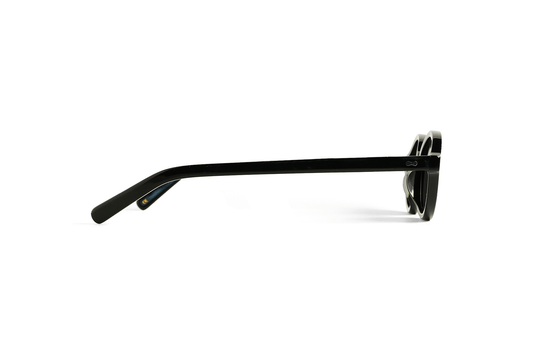
Cove Onyx Night
Regular price Rp 1.700.000,00Regular priceUnit price per -
Virtual Try-On

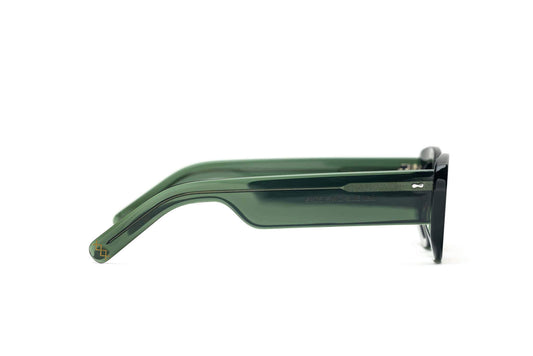
Bali Blue Olive
Regular price Rp 1.700.000,00Regular priceUnit price per


