

How photochromic lenses work
Photochromic lenses contain UV-sensitive molecules. When exposed to ultraviolet light from the sun, these molecules change structure and darken the lens. When UV exposure decreases, the lenses gradually return to a clear state.
This process is fully automatic and reversible. It depends primarily on UV exposure rather than visible brightness, which is why lenses remain clear indoors even in bright environments.
The speed of darkening and fading can vary depending on temperature, UV intensity, and lens technology.
What are the benefits of photochromic lenses?
The main advantage of photochromic lenses is versatility. They allow one pair of glasses to be used both indoors and outdoors without switching between prescription glasses and sunglasses.
They also provide UV protection, helping protect the eyes during prolonged sun exposure. The lens tint automatically adjusts to changing light conditions, improving visual comfort in different environments.
For people who frequently move between indoor and outdoor settings, photochromic lenses can make wearing glasses simpler and more convenient.

When are photochromic lenses useful?
Photochromic lenses are particularly useful for people who frequently move between indoor and outdoor environments, such as during daily commuting, walking, or outdoor activities.
They can also be convenient for people who wear glasses all day and want to avoid having a second pair of prescription sunglasses.
However, photochromic lenses may darken less effectively inside a car, because windshields block some of the UV rays needed to activate the lenses. In these situations, polarized sunglasses may still be a better option.

Conclusion
Photochromic lenses provide a practical way to adapt lens tint to changing light conditions. By reacting to UV light, they automatically switch from clear to tinted depending on the environment.
They are especially useful for people who wear glasses all day and frequently move between indoor and outdoor spaces. While they don’t always replace dedicated sunglasses, they offer visual comfort and everyday convenience.
When properly chosen and fitted, photochromic lenses make wearing glasses more flexible and comfortable.

At Maison Mata, we offer photochromic lenses from leading brands (Zeiss, Hoya, Essilor), available with or without prescription. Visit our boutiques in Canggu, Ubud, Seminyak, or Sanur for a free eye exam and advice on our technical lenses.
Visit Us!
Find Your Pair

-
Virtual Try-On


Komodo Rise Olive
Regular price Rp 1.700.000,00Regular priceUnit price per -
Virtual Try-On


Sumba Hills Black Sun
Regular price Rp 1.700.000,00Regular priceUnit price per -
Virtual Try-On

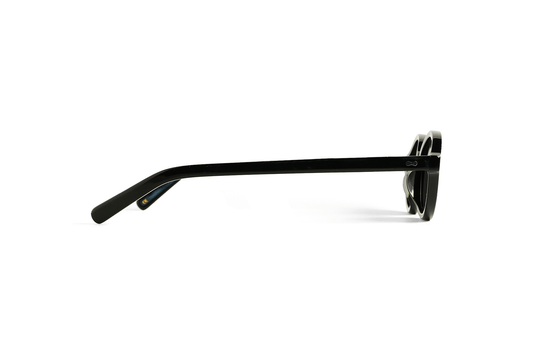
Cove Onyx Night
Regular price Rp 1.700.000,00Regular priceUnit price per -
Virtual Try-On

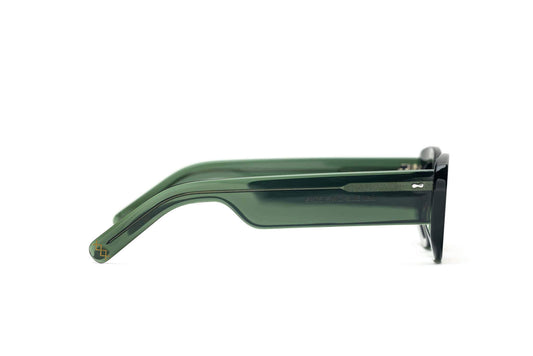
Bali Blue Olive
Regular price Rp 1.700.000,00Regular priceUnit price per


