

How Lenses Correct Myopia and Hyperopia
Prescription lenses work by bending light before it enters the eye, a process called refraction. The lens shape depends on the type of vision problem.
In myopia (nearsightedness), images focus in front of the retina. Concave (minus) lenses are used to spread light rays outward so the focus moves back onto the retina. 
In hyperopia (farsightedness), light focuses behind the retina. Convex (plus) lenses bend light inward to bring the focal point forward onto the retina. 
In both cases, glasses compensate for the eye’s optical imbalance so images land exactly where they should. 

Astigmatism and Presbyopia
Not all vision problems are related only to focusing distance. Astigmatism occurs when the cornea or lens is not perfectly round. Light does not focus at a single point, which causes distorted or blurred vision at all distances. Lenses for astigmatism use a cylindrical correction to compensate for this irregular shape.
Presbyopia, on the other hand, is age-related. Over time, the natural lens of the eye loses its ability to focus on nearby objects. This is why reading becomes more difficult. Progressive lenses or reading lenses compensate for this loss by providing different viewing zones for near and far vision.
In these cases, lenses correct not only how light enters the eye, but also how the eye adapts to different distances.
Why a Prescription Is Necessary
Every pair of prescription lenses is made using a specific prescription measured during an eye exam. This prescription defines the lens power needed to correct vision, usually expressed in diopters.
It may include several components, such as correction for myopia or hyperopia, cylindrical correction for astigmatism, and sometimes the pupillary distance (PD), which ensures proper alignment between the lenses and the eyes.
Even small differences in these measurements can affect visual clarity and comfort. That is why prescription lenses are always custom-made for each individual.

Lens Materials and Coatings
Prescription lenses are not defined only by their optical power. They can also be made from different materials, such as optical plastic, polycarbonate, or thinner high-index materials for stronger prescriptions. The material affects weight, thickness, and durability.
Lenses can also include various coatings to improve visual comfort. Anti-reflective coating reduces glare and improves clarity. Blue-light filters may help reduce screen-related eye strain, and photochromic lenses automatically darken in sunlight.
These options don’t change the prescription itself, but they improve comfort and everyday usability.
Conclusion
Prescription lenses work by changing how light enters the eye so it can focus correctly on the retina. Depending on the vision condition, myopia, hyperopia, astigmatism, or presbyopia, the shape and power of the lens are adjusted to correct vision.
Prescription accuracy, lens materials, and coatings also play an important role in comfort and visual quality. With properly fitted lenses, glasses become a simple and effective way to see clearly every day.
Visit Us!
Find Your Pair
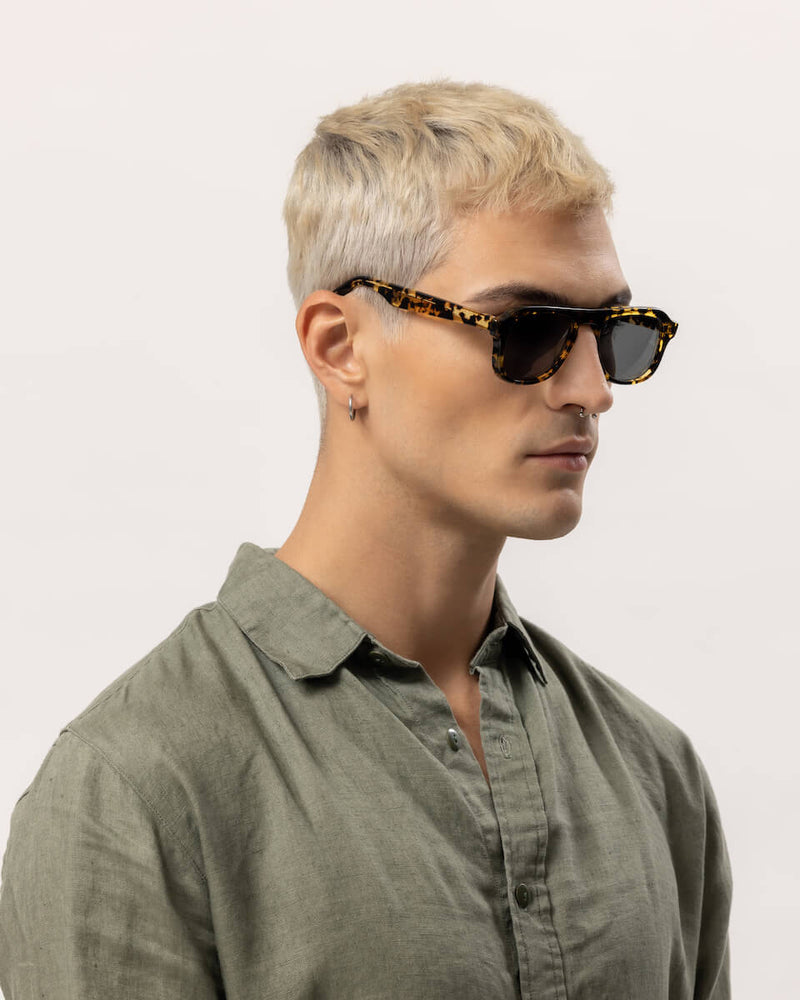
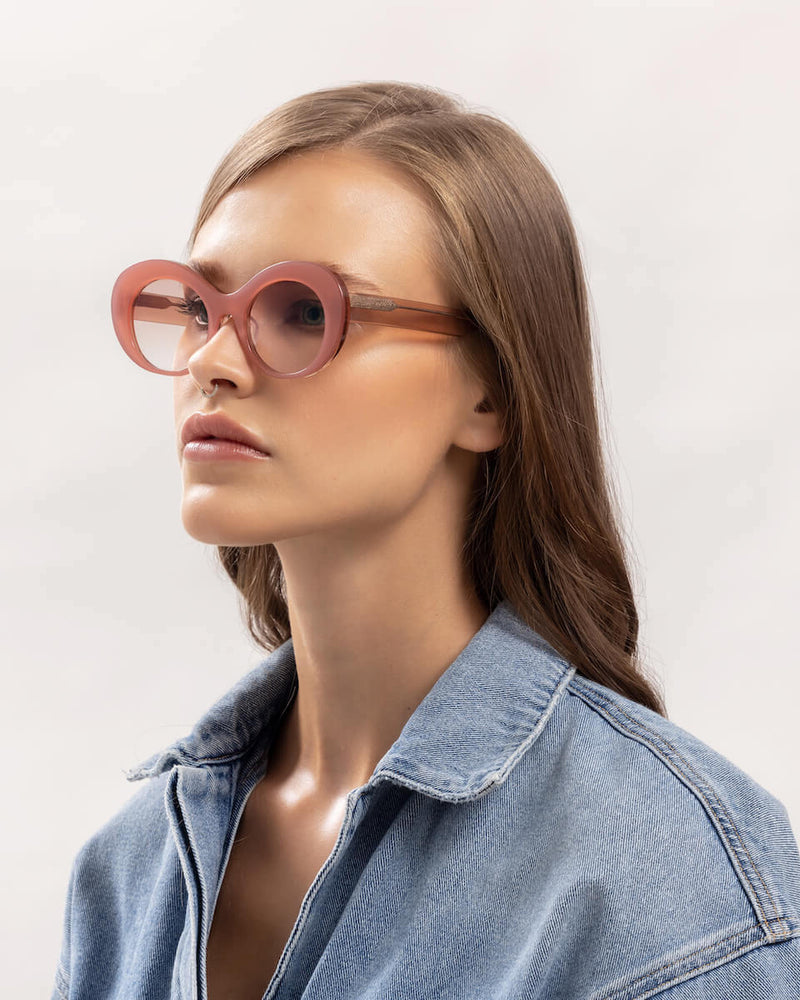
-
Virtual Try-On


Komodo Rise Olive
Regular price Rp 1.700.000,00Regular priceUnit price per -
Virtual Try-On


Sumba Hills Black Sun
Regular price Rp 1.700.000,00Regular priceUnit price per -
Virtual Try-On

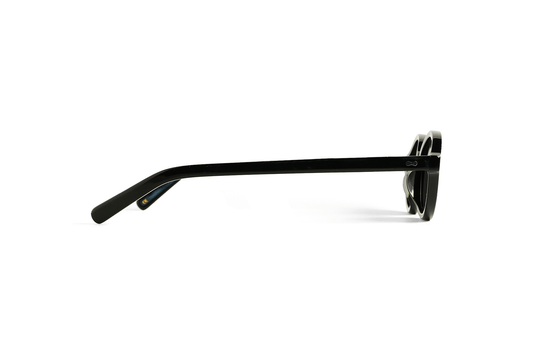
Cove Onyx Night
Regular price Rp 1.700.000,00Regular priceUnit price per -
Virtual Try-On

Bali Blue Olive
Regular price Rp 1.700.000,00Regular priceUnit price per


