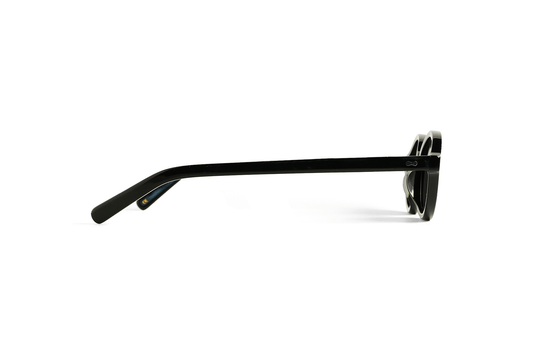
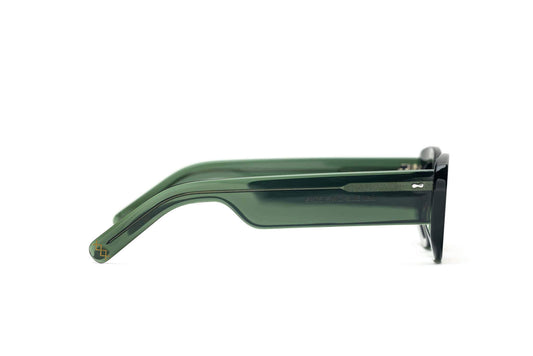
What is a small face?
A small face does not necessarily mean a very thin or short face. Generally, a face is considered small when the distance between the temples is narrower than average and standard frames look too wide when worn.
There are a few easy signs to recognize this: the temples extend too far on the sides, glasses tend to slide down the nose, or the lenses look visually too large compared to the face. In these situations, the issue is not the frame style, but simply its size.
Choosing narrower or lighter frames usually improves comfort and balance immediately.

Why frame size matters
Frame size is one of the most important factors for comfortable glasses. When frames are too wide for a small face, they often feel unstable and may slide down the nose, especially in warm or humid conditions. A well-proportioned frame stays in place naturally and distributes weight more evenly across the nose and ears.
Frame size also affects visual balance. Oversized frames can make glasses look dominant on the face, while properly sized frames simply complement facial features without overwhelming them.
Whether for prescription glasses or sunglasses, choosing the right size helps create a result that feels comfortable, stable, and balanced.
Best glasses for small faces
For small faces, frames that work best are usually those that stay proportional and lightweight. Frames that are too wide or too thick can quickly look oversized, while slimmer frames tend to integrate naturally with the face.
Small round frames, narrow rectangular shapes, and lightweight metal frames are often great choices. Acetate frames can also work very well, as long as they are not too thick or too wide.
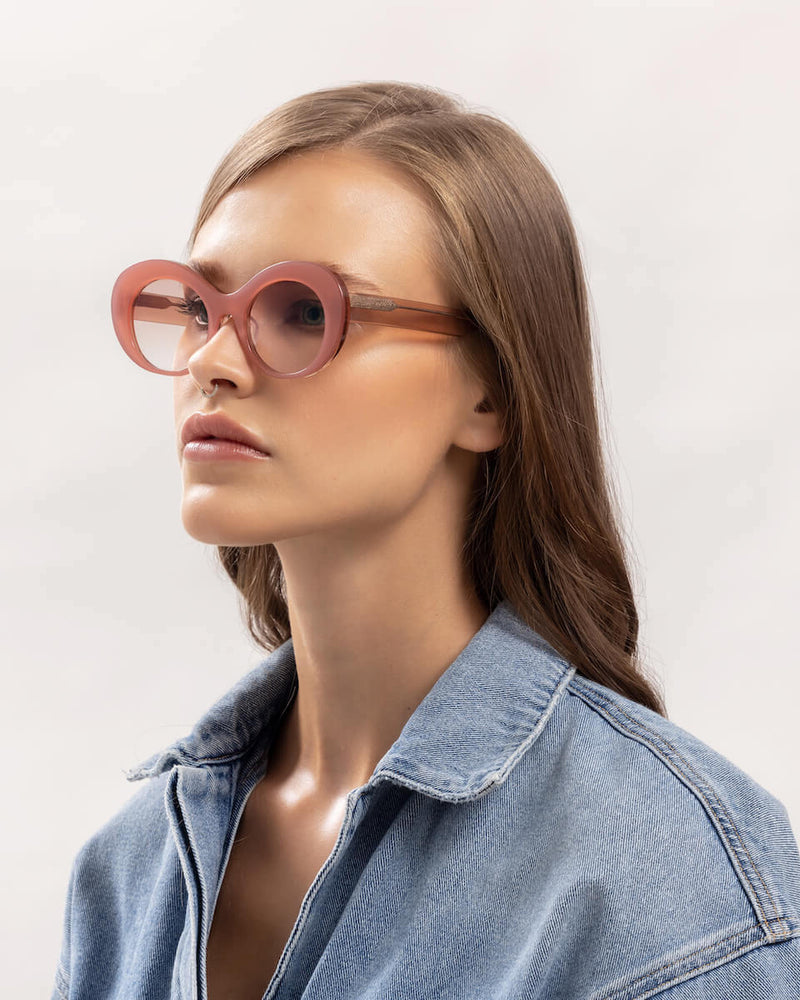
For sunglasses, the same principle applies: slightly smaller lenses and frames that follow the width of the face usually look more balanced. The goal is not to make the glasses disappear, but to maintain harmony between the frame and facial proportions.
In general, frames that do not extend beyond the temples and align well with the face will feel more comfortable and natural to wear.

What to avoid
When you have a small face, some frames can quickly look oversized or feel uncomfortable. Very large frames, with wide lenses or long temples, tend to slide more easily and can feel visually unbalanced.
Thick acetate frames can also look too dominant on a narrower face, especially if they extend beyond the temples. Similarly, a bridge that is too wide may prevent the glasses from sitting properly on the nose.
This does not mean bold styles should be avoided, but choosing better-proportioned versions usually creates a more natural and comfortable result.
Comfort and fit
Comfort depends not only on frame size but also on proper adjustment. On a small face, the nose bridge and temples play an essential role in keeping glasses stable.
A well-fitted frame should rest naturally on the nose without leaving marks or sliding down. The temples should follow the shape of the head and hold the glasses gently without creating pressure behind the ears.
Small adjustments can make a big difference. Adjusting nose pads, slightly tightening the temples, or modifying the frame curve can quickly improve comfort.
This is why in-store adjustments remain important, especially when the frame size is already close to the right fit.
Trying glasses in person
Even when frame size and shape seem right, trying glasses in person remains the best way to check comfort and proportions. Every face is different, and two frames with similar measurements can feel very different when worn.
For small faces, choosing the right glasses is mostly about balance and comfort. Narrower, lighter, and properly fitted frames usually create a more natural and comfortable result. Small in-store adjustments can also make a real difference in daily stability.
With the right frame, both prescription glasses and sunglasses simply feel like a natural extension of the face.
Visit Us!
Find Your Pair
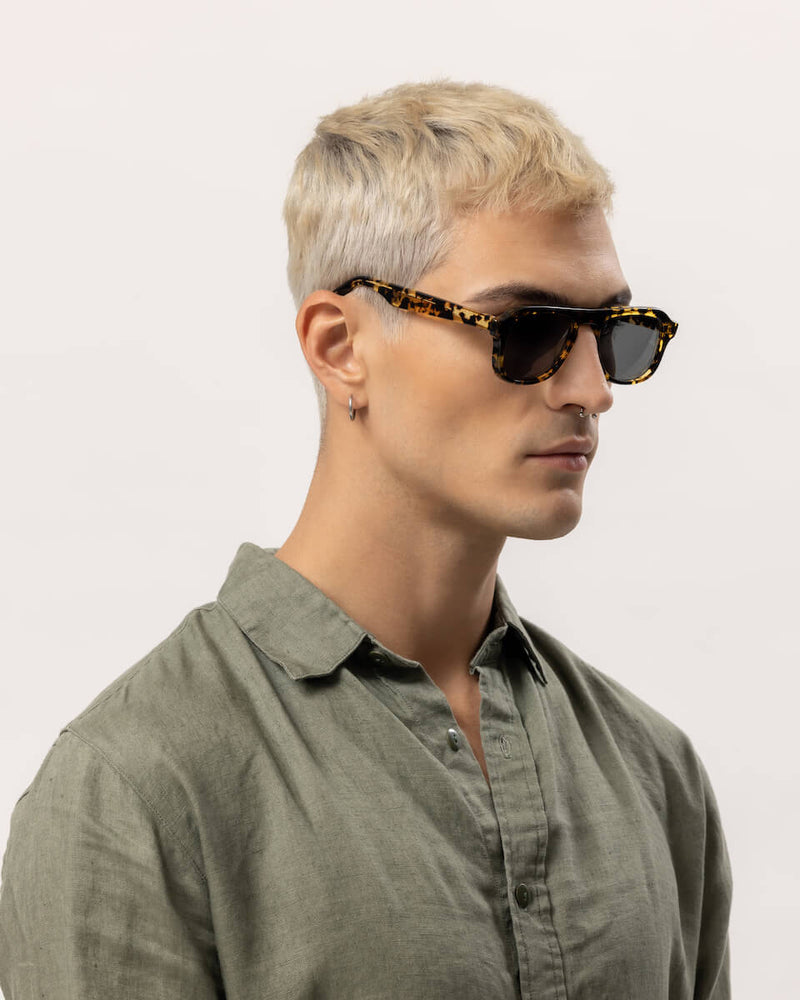
-
Komodo Rise Olive Gove
Regular price Rp 1.700.000,00Regular priceUnit price per -
Sumba Hills Black Sun
Regular price Rp 1.700.000,00Regular priceUnit price per -
Cove Onyx Night
Regular price Rp 1.700.000,00Regular priceUnit price per -
Bali Blue Olive Gove
Regular price Rp 1.700.000,00Regular priceUnit price per