

What is a long face?
A long face, sometimes called an oblong face, is defined by proportions that are longer than they are wide. The forehead, cheekbones, and jaw are often vertically aligned, with relatively soft contours and few sharp angles.
This face shape can appear narrower and more elongated, especially when wearing small or narrow frames. In these situations, some frames may emphasize facial length instead of creating balance.
Understanding this face shape helps in choosing frames that add visual width and proportion.

Balancing proportions with the frame
For long faces, frame choice is mainly about reducing the visual length of the face by adding width or height. Frames that are slightly taller or wider can help create this balance.
Glasses that cover more of the central part of the face often help break the vertical impression. Shapes with softer lines or deeper lenses can also create more balanced proportions.
The goal is not to hide the face shape, but to introduce natural contrast that makes proportions feel more harmonious.
Best glasses for long faces
For long faces, frames that work best are usually those that add visual height or width. Round, square, or slightly oversized frames can help balance facial proportions.
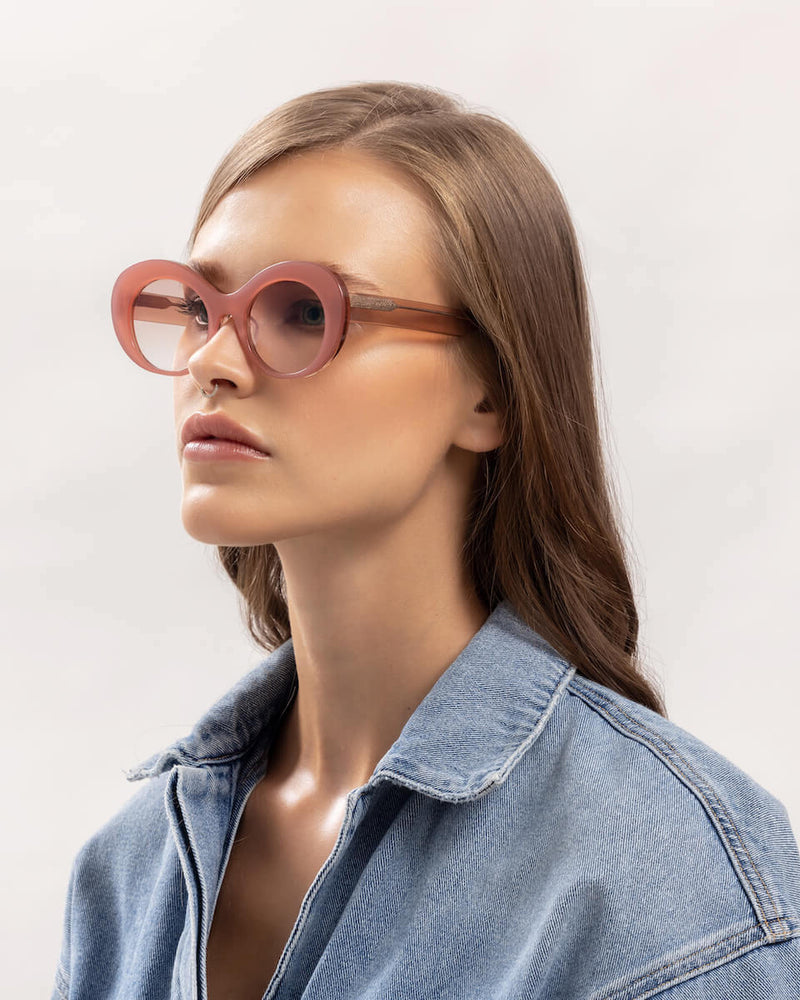
Frames with taller lenses, such as certain square or butterfly shapes, often reduce the visual length of the face. Acetate frames with some presence can also work very well.
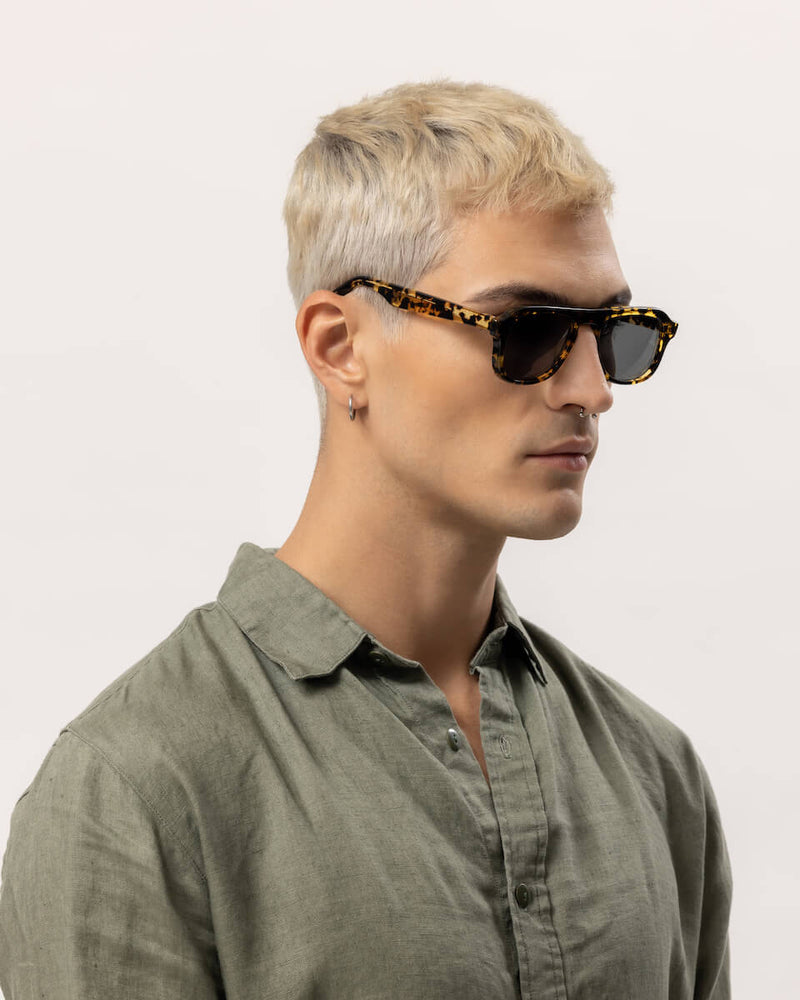
For sunglasses, wider or more covering shapes often create better balance while providing good sun protection.
In general, deeper or wider frames tend to look more harmonious on a long face.

What to avoid
For long faces, very narrow frames or lenses with little height can emphasize facial length. Thin, elongated shapes tend to reinforce vertical proportions instead of creating balance.
Frames that are too small can also make the face appear even longer. Similarly, frames with very little visual presence may look disproportionate.
This does not mean choosing extremely large frames, but simply avoiding shapes that follow facial length instead of adding width or height.
Comfort and fit
For long faces, as with any face shape, comfort mostly depends on frame size and proper adjustment. Glasses should stay stable without sliding or creating pressure on the nose or temples.
The bridge should allow the frame to rest naturally, and the temples should hold the glasses in place without squeezing. Slightly taller or wider frames, when properly adjusted, often provide better balance and long-term comfort.
Small in-store adjustments can improve stability and make glasses more comfortable for everyday wear, whether for prescription glasses or sunglasses.
Conclusion
Even when frame shape provides a good indication, trying glasses in person remains the best way to check balance and comfort. Every face is different, and similar frames can look different once worn.
For long faces, choosing the right glasses is mostly about adding visual width or height. Well-proportioned frames with proper adjustment usually create a more harmonious and comfortable result. Small in-store adjustments can also make a real difference in everyday stability.
With the right frame, both prescription glasses and sunglasses simply feel like a natural extension of the face.
Visit Us!
Find Your Pair
-
Virtual Try-On


Komodo Rise Olive
Regular price Rp 1.700.000,00Regular priceUnit price per -
Virtual Try-On


Sumba Hills Black Sun
Regular price Rp 1.700.000,00Regular priceUnit price per -
Virtual Try-On

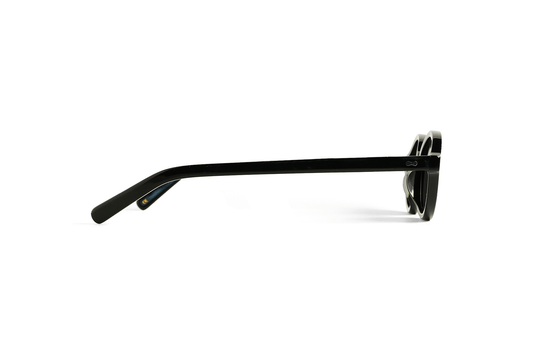
Cove Onyx Night
Regular price Rp 1.700.000,00Regular priceUnit price per -
Virtual Try-On

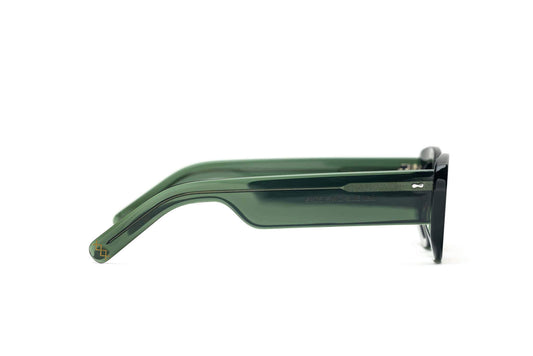
Bali Blue Olive
Regular price Rp 1.700.000,00Regular priceUnit price per


