

What is a large face?
A large face is usually characterized by a greater distance between the temples and overall wider facial proportions. In these cases, standard frames may feel too narrow or create pressure on the sides of the head.
There are a few easy signs to recognize this: the temples feel tight behind the ears, the frame looks small at the center of the face, or the lenses appear visually narrow compared to facial proportions. Sometimes the frame may even stretch slightly outward because it is too tight.
In these situations, the issue is not the frame style, but simply its width. Choosing wider or better-proportioned frames immediately improves comfort and visual balance.
Why frame size matters
For a large face, frame width is essential for comfort. Frames that are too narrow can create pressure at the temples and behind the ears, making glasses uncomfortable to wear over time. They may also slowly lose their shape if they are constantly under tension.
A properly sized frame naturally follows the width of the face and distributes weight more evenly. Glasses stay stable without feeling tight, which improves everyday comfort.
Frame size also affects visual balance. Frames that are too small can look disproportionate on a wider face, while wider frames create a more natural and harmonious appearance.
Whether for prescription glasses or sunglasses, choosing the right frame width helps prevent pressure, discomfort, and fitting issues.
Best glasses for large faces
For large faces, frames that work best are those that provide enough width and stability. Well-proportioned glasses help avoid pressure and create better visual balance.
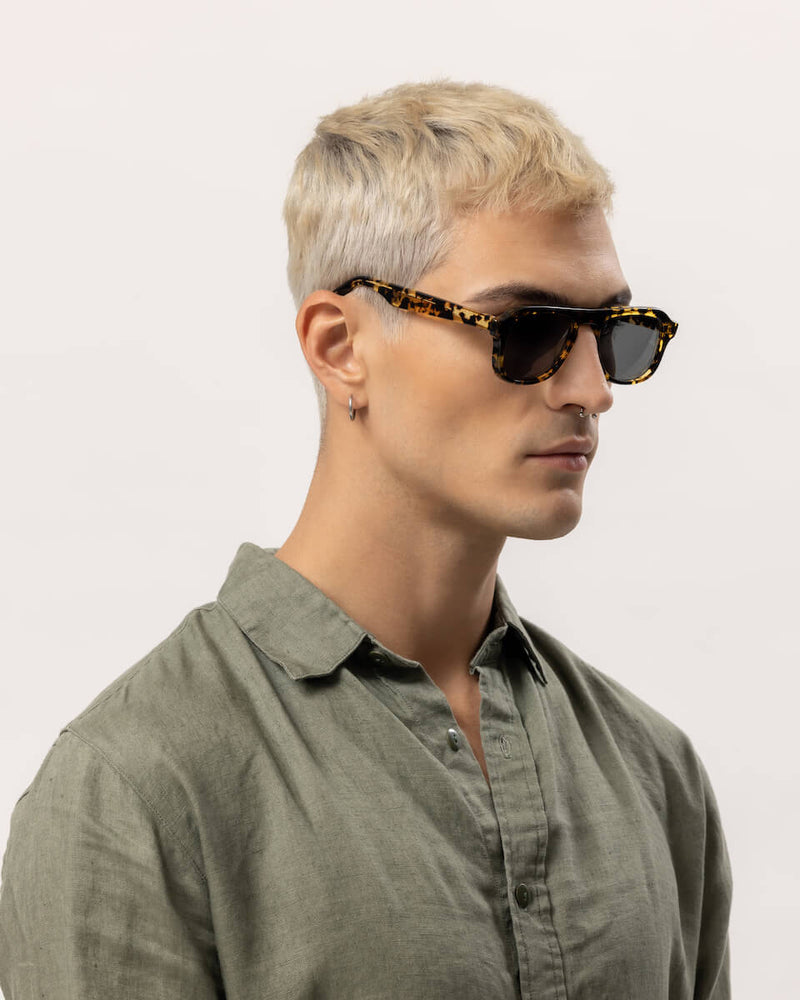
Wide rectangular frames, square shapes, and glasses with larger lenses are often great choices. Slightly thicker acetate frames can also work well, as they provide a stronger visual presence that matches wider facial proportions.
Metal frames can be comfortable too, as long as the frame width is sufficient and the temples do not press against the sides of the head.
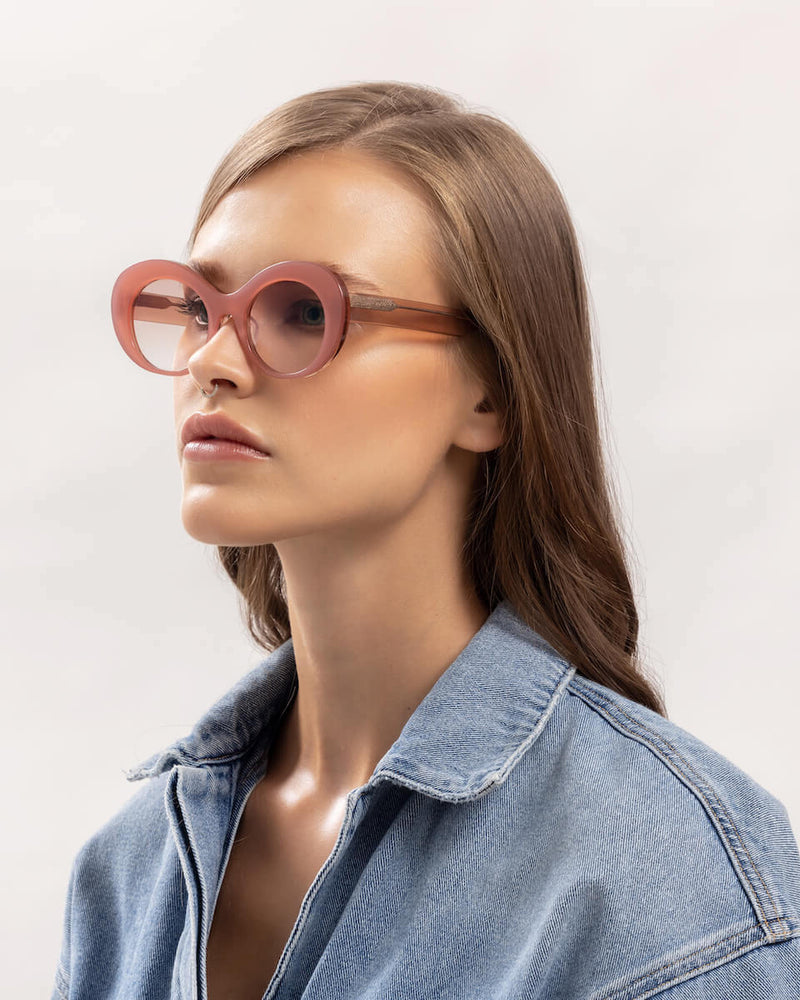
For sunglasses, the same principle applies: slightly larger lenses and wider frames help balance the face while also providing better protection from sunlight.
In general, frames that follow the natural width of the face without creating pressure will offer the best comfort and the most balanced look.
What to avoid
For large faces, frames that are too narrow are usually the first thing to avoid. They can create pressure at the temples, feel uncomfortable over time, and make glasses look too small for the face.
Very narrow lenses or small, thin frames can also emphasize this imbalance. Similarly, temples that are too short may pull the frame backward and reduce stability.
This does not mean only oversized frames should be chosen, but simply avoiding frames that feel compressed or tight. Slightly wider frames usually create a more comfortable and natural result.
Comfort and fit
For large faces, comfort depends greatly on frame width and temple adjustment. Glasses should stay stable without creating pressure at the temples or behind the ears.
A well-fitted frame should naturally follow the shape of the head. The temples should hold the glasses in place without squeezing, and the bridge should distribute weight comfortably. When the frame width is correct, glasses remain stable without effort.
Small adjustments can significantly improve comfort. Adjusting temple curvature or frame alignment often helps achieve better daily stability.
Conclusion
Even when frame size and shape seem right, trying glasses in person remains the best way to check comfort and proportions. Every face is different, and two frames with similar width can feel very different when worn.
For large faces, choosing the right glasses is mostly about width and balance. Wider, well-proportioned, and properly fitted frames usually create a more natural and comfortable result. Small in-store adjustments can also make a real difference in everyday stability.
With the right frame, both prescription glasses and sunglasses simply feel like a natural extension of the face.
Visit Us!
Find Your Glasses

-
Virtual Try-On


Komodo Rise Olive
Regular price Rp 1.700.000,00Regular priceUnit price per -
Virtual Try-On


Sumba Hills Black Sun
Regular price Rp 1.700.000,00Regular priceUnit price per -
Virtual Try-On

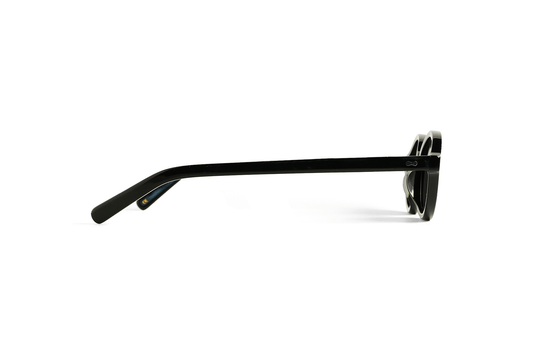
Cove Onyx Night
Regular price Rp 1.700.000,00Regular priceUnit price per -
Virtual Try-On

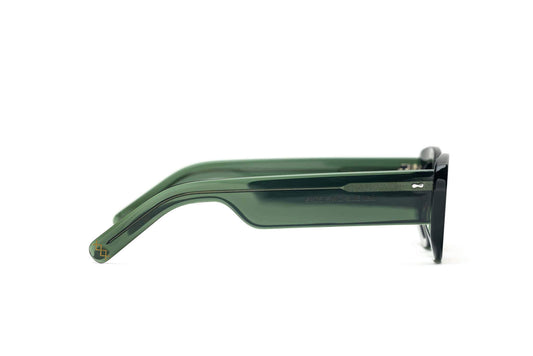
Bali Blue Olive
Regular price Rp 1.700.000,00Regular priceUnit price per


