What you need before ordering glasses
Before ordering prescription glasses, you need to know your exact vision correction. This can come from:
- a recent prescription,
- an in-store eye exam,
- or measuring existing glasses.
A prescription usually includes:
- SPH (sphere): the main correction for myopia or hyperopia
- CYL (cylinder): astigmatism correction
- AXIS: orientation of astigmatism correction
- PD (pupillary distance): distance between the pupils
PD is crucial, because it aligns the lenses with the eyes. An incorrect PD can make glasses uncomfortable even if the prescription is correct.
If you don’t have a prescription, an eye exam can measure both prescription and PD in-store.
At Maison Mata, the prescription can be measured automatically, compared with existing glasses, and refined using trial lenses to ensure comfort.
Choosing lenses
Once the prescription is measured, the next step is choosing lenses that match your daily needs.
Single-vision lenses correct one distance (far, computer, or reading) and are the most common option.
Progressive lenses allow clear vision at multiple distances with one pair of glasses and are typically used when presbyopia appears.
Lens thickness depends on prescription strength, stronger prescriptions often benefit from thinner lenses to keep glasses light and comfortable. Most modern lenses are made from organic materials, which are lighter and more impact-resistant than traditional glass.
In Bali, major international lens brands such as Zeiss, Hoya, and Essilor are widely available, along with treatments like anti-reflective coating, blue-light filtering, photochromic, and polarized options.
For simple prescriptions, local labs usually do an excellent job. For progressive lenses, strong prescriptions, or specific coatings, premium brands often provide better comfort and visual precision.
Lens treatments
After choosing the lens type, you can add coatings to improve comfort and protection.
Anti-reflective coating is the most common. It reduces reflections on lenses, improves clarity, and makes glasses more comfortable, especially for screen use and night driving.
Blue light lenses may help reduce digital eye strain during long periods of computer or phone use.
Photochromic lenses adapt to light conditions by darkening outdoors and remaining clear indoors.
For sunglasses, polarized lenses reduce glare from water, sand, or roads, improving outdoor visual comfort.
Choosing coatings mainly depends on lifestyle, lighting conditions, and how the glasses are used.
Choosing the right frame for prescription glasses
The frame doesn’t just hold the lenses, it affects comfort, appearance, and lens thickness.
For stronger prescriptions, smaller or rounder frames often help reduce visible lens thickness. Larger frames can make lenses thicker and heavier.
Frame adjustment is also essential. Glasses should:
- rest comfortably on the nose,
- stay stable on the ears,
- align correctly with the eyes.
Proper fitting keeps the optical centers correctly positioned, improving visual quality and comfort.
At Maison Mata, frames are always adjusted after lenses are installed to ensure comfortable everyday wear.
Getting prescription glasses in Bali
Getting prescription glasses in Bali usually follows a simple process: eye exam, frame selection, lens selection, and fabrication.
Delivery times for prescription lenses in Bali are usually fast:
- 30 minutes for stock lenses
- 1 to 3 days for standard prescriptions
- up to 1–2 weeks for progressive or complex lenses
Timing depends on prescription strength, lens type, and coatings.
The most important factors are prescription accuracy and proper frame adjustment, as these determine everyday visual comfort.
At Maison Mata boutiques, the process includes:
- automatic vision measurement,
- checking existing prescriptions,
- refinement with trial lenses,
- and final frame adjustment.
This ensures glasses are comfortable, properly fitted, and suited to daily life.
Conclusion
Getting prescription glasses in Bali is usually simple, fast, and reliable when the eye exam is accurate and the lenses are properly manufactured and adjusted. Whether you live on the island or are visiting, it is possible to get comfortable, well-adapted glasses within just a few days.
Understanding each step, eye exam, lens selection, production, and fitting helps you make better decisions and avoid common mistakes. When in doubt, the most important thing is always to test the glasses in real-life conditions to ensure comfort and clear vision.
Find Your Pair
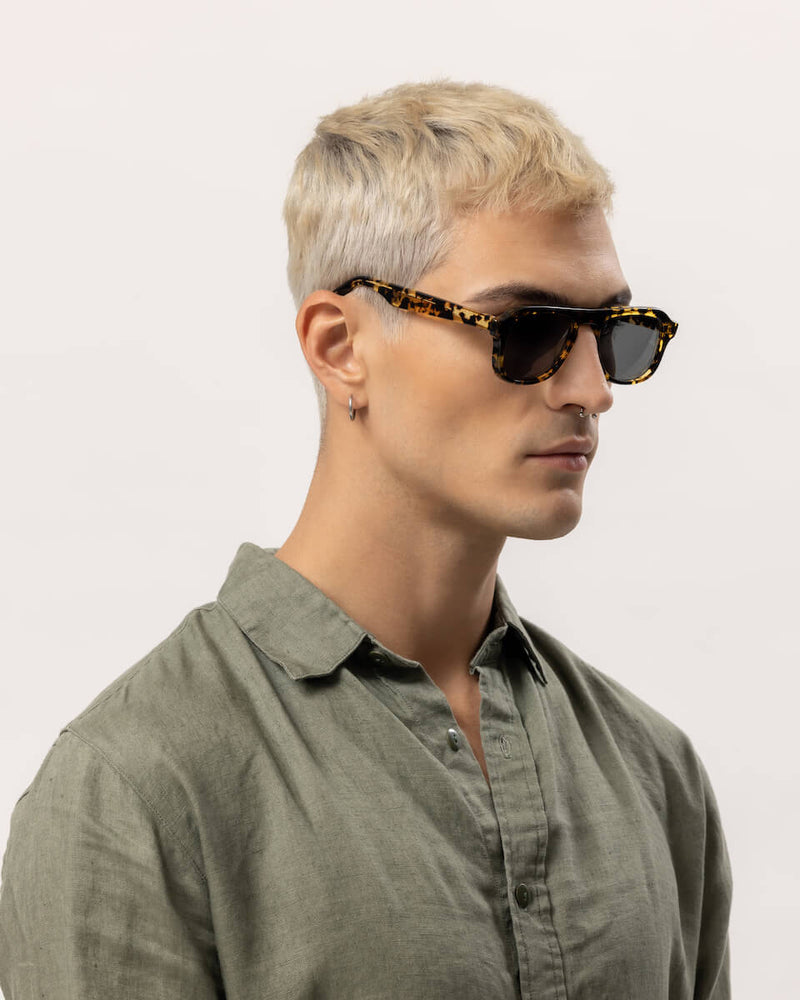

-
Komodo Rise Olive Gove
Harga reguler Rp 1.700.000,00Harga regulerHarga satuan per -
Sumba Hills Black Sun
Harga reguler Rp 1.700.000,00Harga regulerHarga satuan per -
Cove Onyx Night
Harga reguler Rp 1.700.000,00Harga regulerHarga satuan per -
Bali Blue Olive Gove
Harga reguler Rp 1.700.000,00Harga regulerHarga satuan per