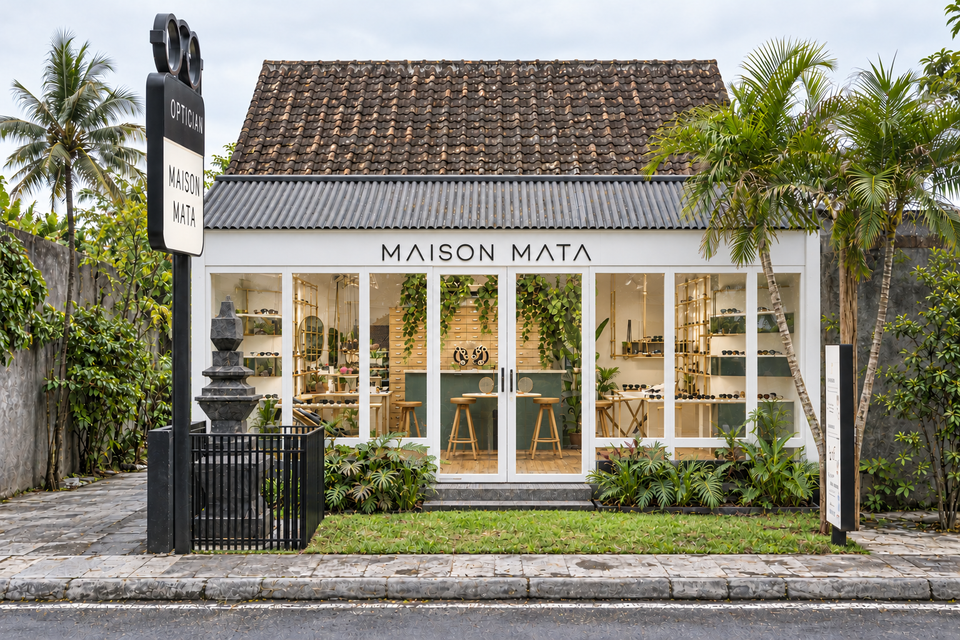
Canggu
10.00 – 21.00Pemeriksaan mata · Atelier Handmade


Memilih lensa terutama tergantung pada resep dan penggunaan sehari-hari Anda. Di Maison Mata, kami membantu Anda menemukan solusi yang paling sederhana dan nyaman untuk penglihatan Anda.
Lensa single-vision mengoreksi satu jarak penglihatan, baik jauh atau dekat. Umumnya digunakan untuk miopi, hipermetropi, atau astigmatisme, dan tetap menjadi tipe lensa yang paling umum.
Lensa progresif memungkinkan penglihatan jernih pada semua jarak dengan satu pasang kacamata. Dirancang untuk presbiopi dan memberikan transisi yang mulus antara penglihatan jauh, intermediate, dan dekat.
Lensa kantor dirancang untuk penglihatan intermediate dan dekat, terutama untuk pekerjaan komputer. Memberikan bidang pandang yang lebih lebar dan lebih nyaman pada jarak layar dibandingkan lensa progresif tradisional, membantu mengurangi kelelahan visual.
Optisi kami membantu Anda memilih lensa yang disesuaikan dengan resep, frame, dan gaya hidup Anda.

Lensa baca mengoreksi berbagai tipe masalah penglihatan:
Untuk mempelajari lebih lanjut tentang kondisi ini, Anda bisa membaca panduan detail kami.

Lensa filter blue-light dirancang untuk orang yang menghabiskan berjam-jam di depan layar. Membantu mengurangi kelelahan visual selama penggunaan komputer dengan meningkatkan kenyamanan di penglihatan intermediate dan dekat. Tidak mengubah resep tapi berfungsi sebagai filter kenyamanan untuk penggunaan layar sehari-hari.
Lapisan anti-reflective mengurangi pantulan di permukaan lensa dan meningkatkan kejernihan visual. Sekarang dianggap sebagai perawatan standar untuk kacamata baca.

Lensa photochromic tetap jernih di dalam ruangan dan secara otomatis menggelap di sinar matahari saat terkena UV. Memungkinkan satu pasang kacamata digunakan baik di dalam maupun di luar ruangan.
Terutama praktis di lingkungan yang cerah seperti Bali, di mana orang sering berpindah antara ruang indoor dan outdoor. Banyak klien kami memilih opsi ini dan sangat puas dengannya untuk penggunaan sehari-hari.
Lensa photochromic bisa dikombinasikan dengan lensa baca dan perawatan lainnya untuk kenyamanan visual tambahan.

Lensa polarized mengurangi silau yang disebabkan oleh pantulan cahaya dari air, jalan, atau pasir. Meningkatkan kontras dan kenyamanan visual di outdoor, terutama untuk berkendara, lingkungan pantai, dan aktivitas air.
Di Maison Mata, lensa polarized disertakan secara default di sebagian besar kacamata hitam Classic kami. Juga bisa dipilih untuk frame Handmade, dengan atau tanpa lensa baca.
Di lingkungan yang cerah seperti Bali, lensa polarized sering direkomendasikan untuk kenyamanan visual yang lebih baik.
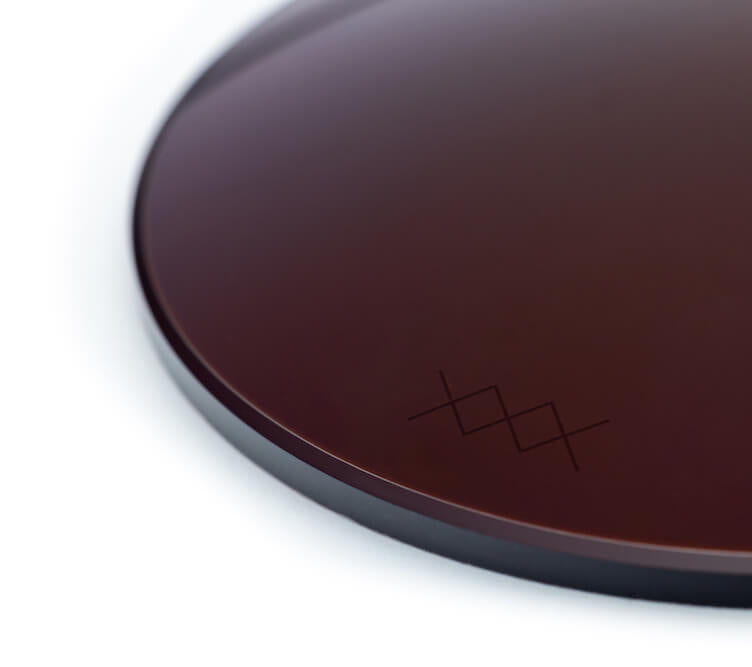
Ketebalan lensa terutama tergantung pada resep. Resep yang lebih kuat biasanya menghasilkan lensa yang lebih tebal.
Lensa yang lebih tipis membantu menjaga kacamata lebih ringan dan lebih estetik, dan bentuk frame juga mempengaruhi tampilan akhir.
Di Maison Mata, kami membantu Anda memilih ketebalan lensa yang paling sesuai dengan resep dan frame Anda.
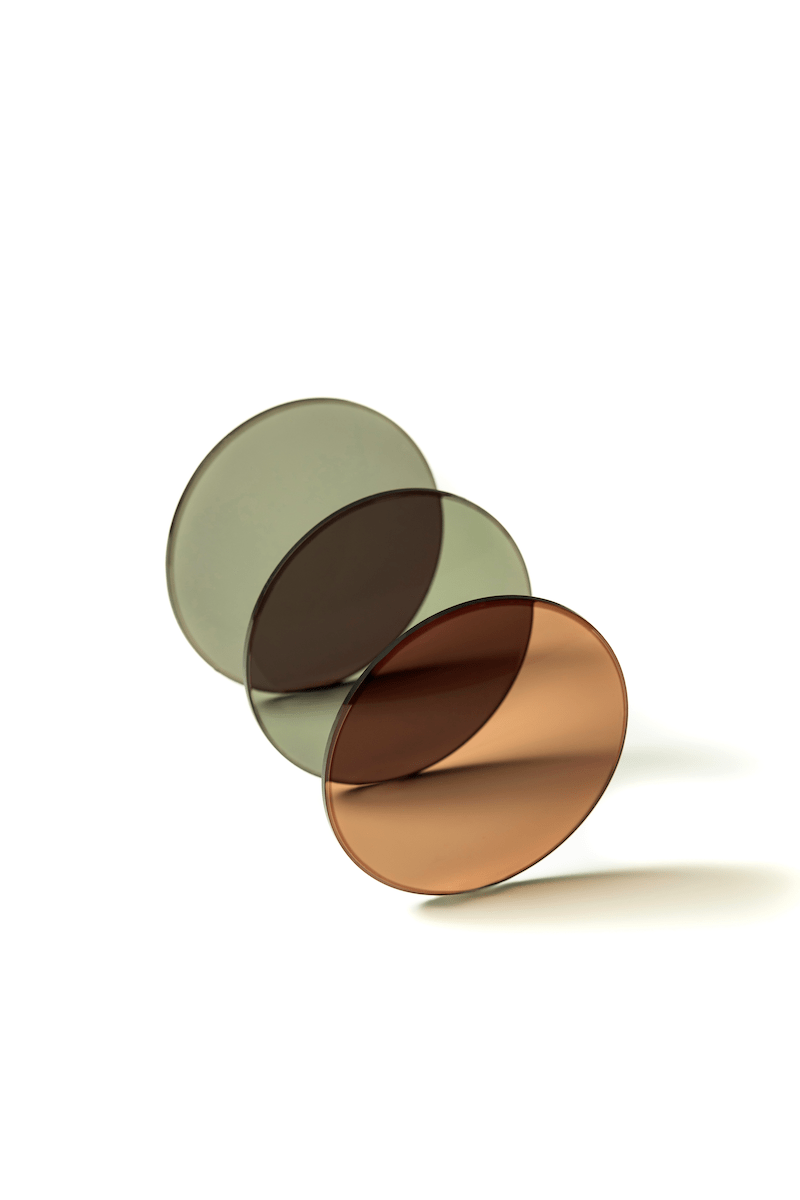
Di Maison Mata, kami bekerja dengan produsen lensa terkemuka dunia, termasuk Zeiss, Hoya, dan Essilor, yang dikenal dengan presisi optik, daya tahan, dan inovasinya.
Kami juga berkolaborasi dengan laboratorium Indonesia berkualitas tinggi, memungkinkan kami menawarkan solusi lensa yang andal dan terjangkau untuk penggunaan sehari-hari.


Coba bingkai kami dan temui tim kami.
Pemeriksaan mata · Atelier Handmade
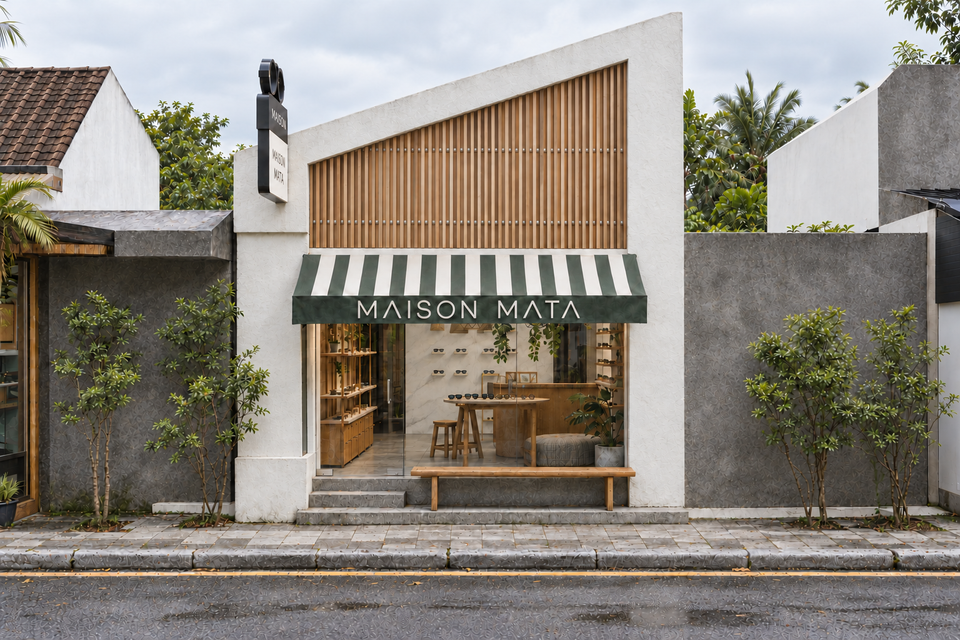
Pemeriksaan mata
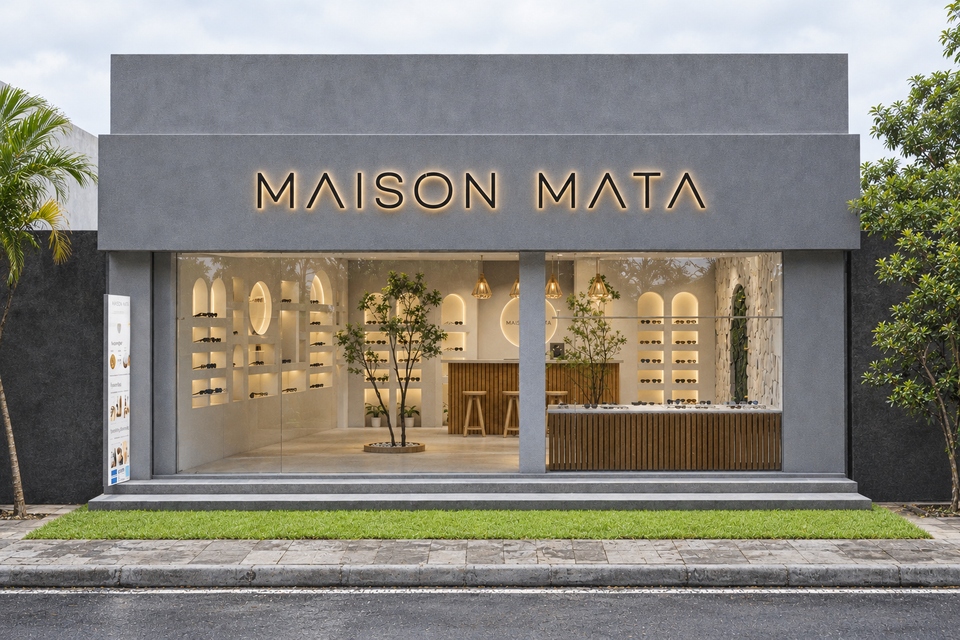
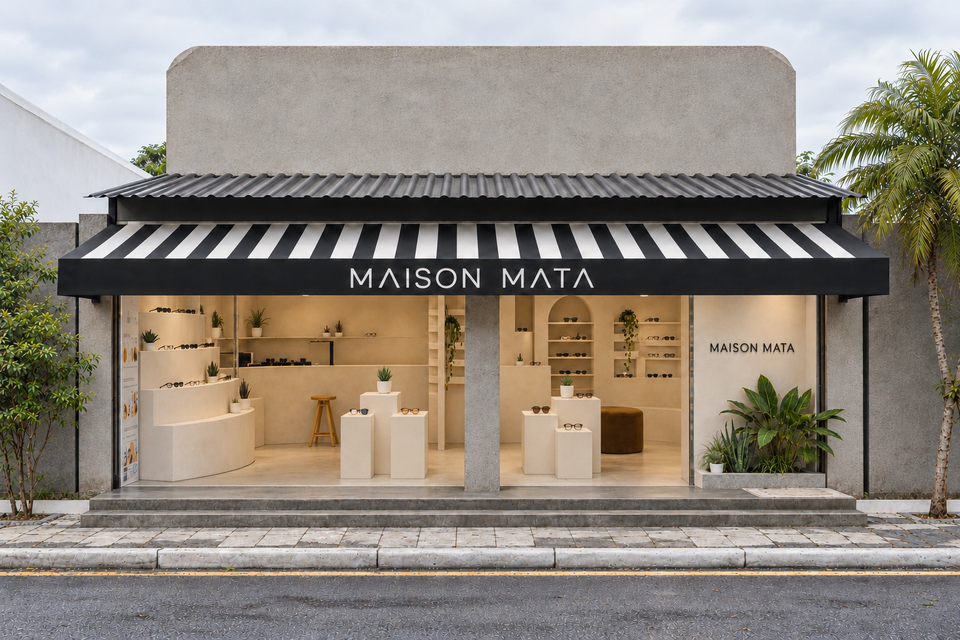
Pemeriksaan mata
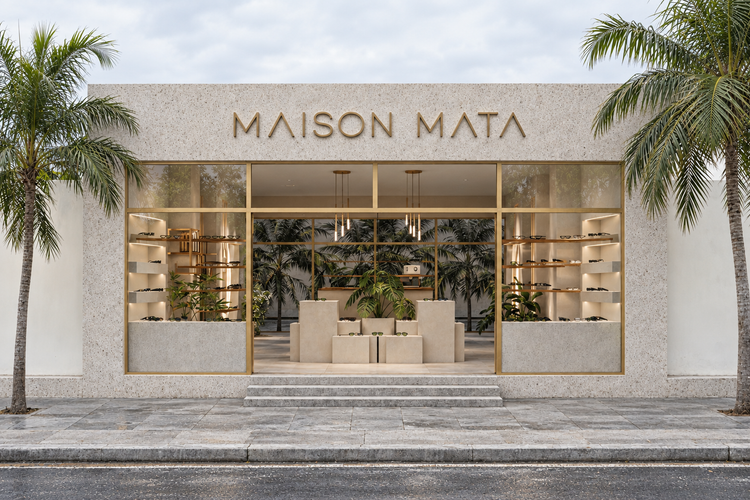
Segera dibuka
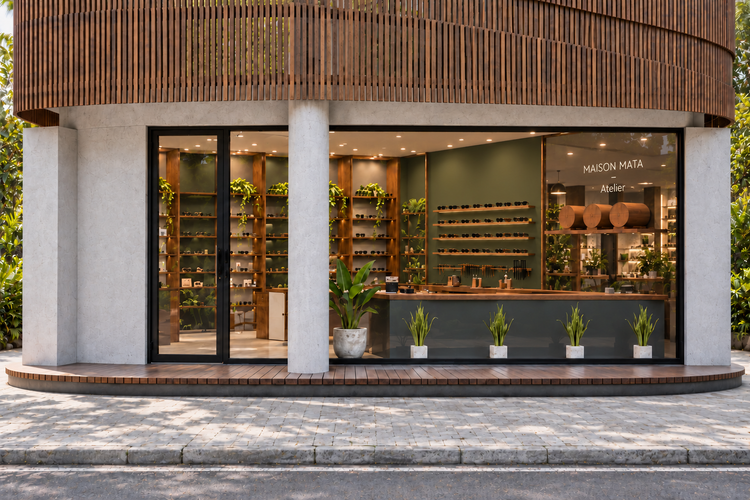
Segera dibuka
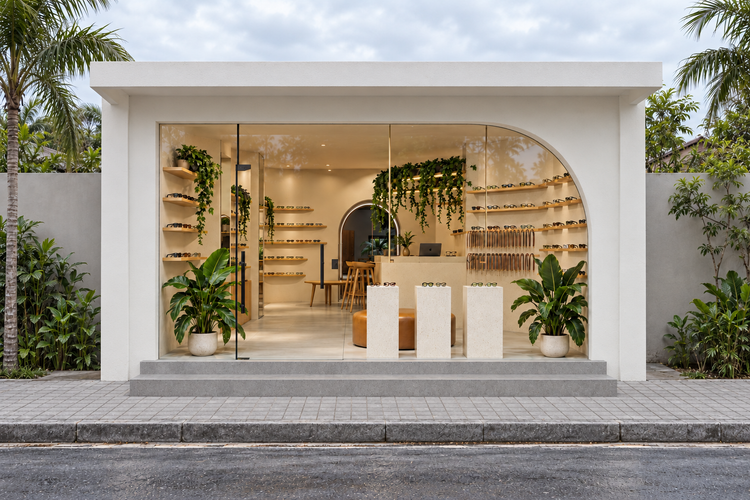
Segera dibuka