


Apa itu kelainan refraksi?
Kelainan refraksi terjadi ketika bentuk mata mencegah cahaya fokus dengan benar di retina. Kornea dan lensa alami biasanya membelokkan cahaya sehingga mencapai titik yang tepat.
Ketika sistem optik ini tidak seimbang dengan sempurna, gambar bisa fokus di depan retina, di belakangnya, atau pada beberapa titik, menyebabkan penglihatan buram.
Miopi, hipermetropi, astigmatisme, dan presbiopi termasuk kondisi penglihatan yang paling umum dan biasanya bisa dikoreksi dengan kacamata, lensa kontak, atau solusi optik lainnya.

Mengenal miopi
Miopi adalah kondisi penglihatan di mana objek yang jauh tampak buram sementara penglihatan dekat biasanya tetap jernih.
Paling sering terjadi ketika mata sedikit terlalu panjang atau ketika kornea terlalu melengkung. Dalam kasus ini, cahaya fokus di depan retina bukan langsung di atasnya.
Miopi sering berkembang di masa kanak-kanak atau remaja dan bisa berubah seiring pertumbuhan tubuh. Biasanya dikoreksi menggunakan lensa minus (cekung) yang mengembalikan titik fokus ke retina.

Mengenal hipermetropi
Hipermetropi adalah kondisi penglihatan di mana penglihatan dekat lebih sulit, sementara penglihatan jauh bisa tetap relatif jernih, terutama pada orang yang lebih muda.
Terjadi ketika mata sedikit terlalu pendek atau ketika kekuatan fokus mata tidak cukup. Dalam kasus ini, cahaya fokus di belakang retina bukan langsung di atasnya.
Hipermetropi bisa menyebabkan kelelahan mata, sakit kepala, atau kesulitan membaca dalam waktu lama. Biasanya dikoreksi dengan lensa plus (cembung) yang memindahkan titik fokus ke retina.

Mengenal astigmatisme
Astigmatisme disebabkan oleh bentuk kornea atau lensa alami yang tidak beraturan. Alih-alih bulat sempurna, permukaan mata sedikit oval, mencegah cahaya fokus pada satu titik.
Ini bisa menyebabkan penglihatan buram atau terdistorsi baik di jarak dekat maupun jauh. Beberapa orang juga bisa mengalami kelelahan mata atau sakit kepala setelah upaya visual yang lama.
Astigmatisme sangat umum dan bisa terjadi sendiri atau bersama dengan miopi atau hipermetropi. Biasanya dikoreksi dengan lensa silindris yang dirancang untuk mengimbangi bentuk yang tidak beraturan ini.

Mengenal presbiopi
Presbiopi adalah perubahan penglihatan alami yang terkait usia. Seiring waktu, lensa alami mata menjadi kurang fleksibel, membuatnya lebih sulit untuk fokus pada objek dekat.
Biasanya muncul sekitar usia 40 hingga 45, bahkan pada orang yang belum pernah membutuhkan kacamata sebelumnya. Tanda-tanda awal sering termasuk kesulitan membaca teks kecil atau perlu memegang objek lebih jauh untuk melihat dengan jelas.
Berbeda dengan miopi atau astigmatisme, presbiopi tidak disebabkan oleh bentuk mata tapi oleh penuaan sistem fokus. Bisa dikoreksi dengan kacamata baca, lensa progresif, atau lensa kontak khusus.

Perbedaan antara miopi, hipermetropi, astigmatisme, dan presbiopi
Miopi, hipermetropi, astigmatisme, dan presbiopi mempengaruhi penglihatan dengan cara yang berbeda.
Miopi terutama mempengaruhi penglihatan jarak jauh, yang menjadi buram, sementara penglihatan dekat biasanya tetap jernih.
Hipermetropi kebanyakan mempengaruhi penglihatan dekat, yang memerlukan lebih banyak upaya untuk fokus dengan jelas.
Astigmatisme bisa menyebabkan penglihatan buram atau terdistorsi pada semua jarak, karena cahaya tidak fokus pada satu titik.
Presbiopi terutama mempengaruhi penglihatan dekat karena kehilangan kemampuan fokus alami seiring usia.
Adalah hal yang umum bagi seseorang memiliki lebih dari satu kondisi ini pada saat yang sama, seperti miopi yang dikombinasikan dengan astigmatisme, atau presbiopi yang berkembang di kemudian hari.
Bagaimana masalah penglihatan ini dikoreksi
Miopi, astigmatisme, dan presbiopi biasanya bisa dikoreksi dengan kacamata, lensa kontak, atau solusi optik lain yang disesuaikan dengan setiap situasi.
Lensa baca mengubah cara cahaya masuk ke mata sehingga bisa fokus dengan benar di retina. Tergantung kondisinya, koreksi bisa mencakup lensa minus untuk miopi, koreksi silindris untuk astigmatisme, atau lensa progresif untuk presbiopi.
Pemeriksaan mata membantu menentukan koreksi yang tepat yang dibutuhkan dan solusi yang paling nyaman untuk aktivitas sehari-hari.
Kesimpulan
Miopi, hipermetropi, astigmatisme, dan presbiopi termasuk kondisi penglihatan yang paling umum. Meskipun mempengaruhi penglihatan dengan cara yang berbeda, semuanya berbagi prinsip yang sama: cahaya tidak fokus dengan benar di retina.
Dengan kacamata, lensa kontak, dan teknologi optik modern, kondisi ini bisa dikoreksi secara efektif untuk memulihkan penglihatan yang jernih dan nyaman.
Memahami perbedaan ini membantu orang memilih koreksi yang tepat dan merawat penglihatan mereka dengan lebih baik seiring waktu.
Kunjungi Kami!
Temukan Kacamata Anda
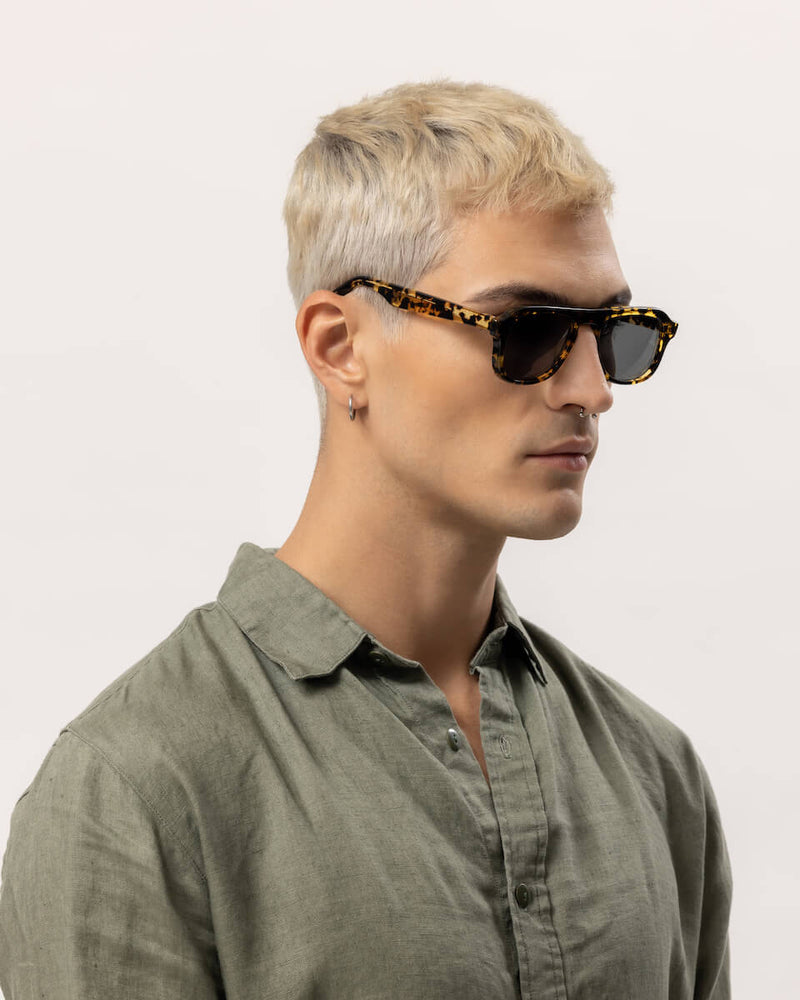

-
Coba Virtual


Komodo Rise Olive
Harga reguler Rp 1.700.000,00Harga regulerHarga satuan per -
Coba Virtual


Sumba Hills Black Sun
Harga reguler Rp 1.700.000,00Harga regulerHarga satuan per -
Coba Virtual

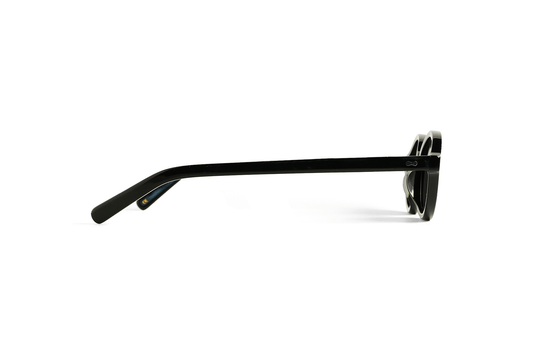
Cove Onyx Night
Harga reguler Rp 1.700.000,00Harga regulerHarga satuan per -
Coba Virtual

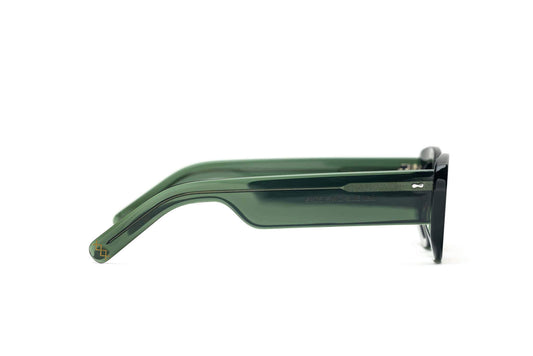
Bali Blue Olive
Harga reguler Rp 1.700.000,00Harga regulerHarga satuan per


