

What is a progressive lens?
A progressive lens is a prescription lens that contains multiple vision corrections on a single surface, without visible separation between viewing zones. The upper part of the lens is used for distance vision, the middle area for intermediate vision, and the lower part for near vision.
The lens power changes gradually from top to bottom, allowing smooth transitions between viewing distances. This design eliminates the visible line found in bifocal lenses.
Progressive lenses therefore provide more natural vision for everyday activities such as driving, working on a computer, or reading.

How the different vision zones work
Progressive lenses are organized into three main vision zones corresponding to everyday viewing distances.
The upper part of the lens is designed for distance vision, such as driving or looking far away.
The middle area is used for intermediate vision, like working on a computer or viewing objects at mid-distance.
The lower part is intended for near vision, especially reading.
Between these areas, lens power changes gradually to allow smooth transitions. This progressive change is why an adaptation period is sometimes needed to learn how to use each zone naturally.
Who are progressive lenses for?
Progressive lenses are mainly designed for people with presbyopia, usually beginning in their forties. Over time, the natural lens of the eye loses its ability to focus on nearby objects, making reading or phone use more difficult.
Progressive lenses are especially useful for people who want to avoid switching between multiple pairs of glasses for distance and near vision. They allow a single pair of glasses to be used for most daily activities.
They can be used in both prescription glasses and some prescription sunglasses.

Adapting to progressive lenses
A short adaptation period is normal when starting to wear progressive lenses. Since each part of the lens corresponds to a different viewing distance, the eyes and brain need to learn how to use the correct head and eye movements.
At first, some people may notice slight imbalance or distortion at the edges of the lens. This usually disappears after a few days of regular use.
Wearing the glasses throughout the day and moving the head naturally instead of only the eyes helps speed up the adaptation process.
Conclusion
Progressive lenses allow vision correction at all distances with a single pair of glasses. By gradually changing lens power across the surface, they provide smooth transitions between distance, intermediate, and near vision.
Although a short adaptation period is normal, progressive lenses quickly become comfortable for most people. They are a practical and discreet solution for correcting presbyopia in everyday life.
When properly fitted and centered, they provide natural vision for daily activities.
Visit Us!
Find Your Pair

-
가상 착용


Komodo Rise Olive
정가 Rp 1.700.000,00정가단가 단위 -
가상 착용


Sumba Hills Black Sun
정가 Rp 1.700.000,00정가단가 단위 -
가상 착용

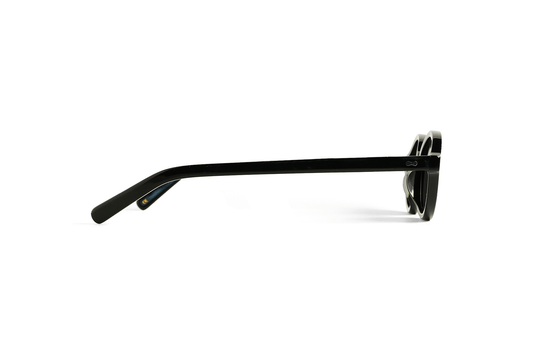
Cove Onyx Night
정가 Rp 1.700.000,00정가단가 단위 -
가상 착용

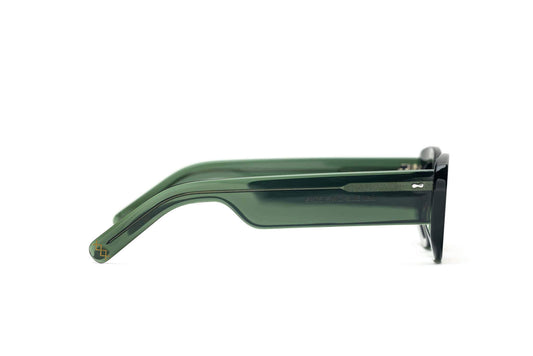
Bali Blue Olive
정가 Rp 1.700.000,00정가단가 단위


